
VNTC vs. MC vs. THHN: The Complete Guide to Industrial Cable Selection
Written By: Craig Keller
Posted May 14, 2026

The contractor's voice carried that particular mix of frustration and urgency that every distributor knows means a problem on the jobsite.
"The inspector just failed my MC cable installation in the mechanical room. Says it needs to be VNTC for the cable tray sections, but I've got THHN pulled through the conduit runs connecting to it. Now he's questioning whether I can transition between them, and honestly, I'm not even sure why VNTC is required here instead of MC. The prints just say 'control wiring per code.' Can you help me figure this out before I lose another day?"
This scene replays daily across industrial construction sites, where the convergence of three dominant cable types—VNTC tray cable, MC (Metal Clad) cable, and THHN building wire—creates confusion that costs contractors time, distributors sales, and everyone credibility. The challenge isn't that contractors don't understand cable; it's that modern industrial installations increasingly blur the lines between traditional applications, and yesterday's simple rules no longer apply. This is exactly why forward-thinking distributors partner with master distributors like DWC—who maintain comprehensive VNTC, MC, and specialized cable inventory without minimum reel charges or cut fees. When a contractor needs 237 feet of TC-ER rated VNTC for an emergency repair, they need a supplier who says 'yes' without adding penalties that destroy project margins.
Understanding when to specify VNTC versus MC versus THHN has become the difference between profitable jobs and expensive callbacks, between passing inspection and explaining delays, between being seen as a wire vendor or a technical partner. This comprehensive guide examines each cable type's optimal applications, reveals the hidden factors that determine the right choice, and provides the framework for making confident recommendations that protect your customers while building your reputation as the go-to technical resource.
The Evolution That Created Today's Confusion
To understand why cable selection has become so complex, you need to appreciate how dramatically industrial electrical installations have evolved over the past two decades. In the 1990s, the boundaries were clear: THHN went in conduit, MC cable provided armored protection for branch circuits, and tray cable stayed in trays. Contractors learned these rules as apprentices and rarely needed to question them.
Then everything changed. The 2002 NEC introduced expanded permissions for MC cable in cable tray systems. The 2005 code revolutionized tray cable with TC-ER ratings that eliminated conduit requirements for exposed runs. The 2008 edition expanded MC cable applications into Class I Division 2 hazardous locations. Suddenly, the clear boundaries dissolved, and multiple cable types could legally serve the same application—but with vastly different installation requirements, costs, and long-term implications.
Today's industrial facilities compound this complexity. A single control circuit might originate in a panel (requiring THHN in conduit), traverse the facility through cable tray (where VNTC, MC, or THHN in conduit could work), drop down an exposed run to equipment (demanding TC-ER or conduit), and terminate in a hazardous area (adding another layer of requirements). The contractor who once reflexively grabbed MC cable for everything now faces a decision tree with dozens of branches, each leading to different materials, labor requirements, and inspection outcomes.
VNTC Tray Cable: The Industrial Workhorse Redefined
VNTC (Vinyl Nylon Tray Cable) has evolved from a specialty product into the backbone of modern industrial installations, yet misconceptions about its capabilities and limitations persist. Understanding what VNTC truly offers—and when it becomes the optimal choice—requires looking beyond the basic "cable for cable trays" definition that dominates most discussions.
The construction of VNTC tells the story of its versatility. Start with the conductors: typically Class B stranded copper for flexibility during installation and thermal cycling. Add THHN/THWN insulation—the same heat and moisture-resistant compounds used in traditional building wire—but wrapped with an additional nylon jacket for abrasion resistance. Bundle these insulated conductors together, often with a bare ground, and wrap them in a tough PVC outer jacket that provides moisture resistance, sunlight resistance (when properly compounded), and mechanical protection that exceeds what individual conductors could achieve.
But here's what transforms VNTC from commodity to strategic advantage: the TC-ER rating available on many modern VNTC cables. This Tray Cable-Exposed Run designation means the cable can leave the cable tray and run exposed (without conduit) to equipment, provided it meets specific support requirements and isn't subject to physical damage. For a contractor running fifty control circuits from a tray to nearby equipment, TC-ER-rated VNTC eliminates fifty conduit runs, hundreds of fittings, and countless hours of labor.
Consider a recent pharmaceutical facility expansion in New Jersey. The original specification called for individual THHN conductors in conduit for all control wiring—a standard, conservative approach. The electrical contractor, facing skilled labor shortages and a compressed timeline, proposed VNTC with TC-ER rating as an alternative. The numbers told the story: material costs increased by approximately 20%, but installation labor decreased by 60%. More importantly, the installation time dropped from twelve weeks to seven, allowing the facility to begin validation five weeks earlier—a value that dwarfed any material cost differences.
The temperature capabilities of VNTC provide critical flexibility for industrial environments. While standard VNTC carries a 90°C conductor rating, specialized versions—such as those utilizing 105°C-rated insulation are designed for higher-ambient industrial settings. This range makes VNTC a reliable choice for everything from freezer warehouses to factory floors where standard 75°C building wire would require significant derating. By selecting the right temperature rating upfront, you ensure the contractor doesn't have to jump to a much larger (and more expensive) conductor size just to handle the heat.
Water resistance represents another underappreciated VNTC advantage. The overall jacket provides protection that individual THHN conductors lack, making VNTC suitable for wet locations without additional protection. Direct burial-rated versions take this further, eliminating the need for conduit in underground runs. One food processing distributor reported that switching their standard recommendation from THHN-in-conduit to direct-burial VNTC for washdown areas reduced installation costs by 40% while improving long-term reliability.
MC Cable: The Armored Alternative's True Domain
Metal Clad (MC) cable occupies a unique position in the industrial cable hierarchy, offering mechanical protection that exceeds VNTC while maintaining flexibility that rigid conduit systems lack. Yet MC cable's optimal applications have narrowed as competing technologies evolved, making it crucial to understand where MC still reigns supreme versus where it's become an expensive habit.
The construction of MC cable reveals both its strengths and limitations. Inside the interlocked aluminum or steel armor, THHN/THWN conductors run alongside a green insulated grounding conductor. This armor provides exceptional mechanical protection—crushing resistance that far exceeds VNTC, cut resistance that protects against accidental damage during other trades' work, and a professional appearance that some facilities demand. The interlocked design maintains flexibility while providing this protection, allowing MC to snake through complex routes that rigid conduit would make impractical.
Modern MC cable variants have expanded the traditional application envelope. Type MC-HL (Hazardous Location) provides the ultimate protection for Class I, Division 1 and 2 environments, offering a robust alternative to rigid conduit in potentially explosive areas. For industrial motor applications, specialized VFD (Variable Frequency Drive) cables incorporate the shielding necessary to mitigate electromagnetic interference and "noise" problems that standard armored cables cannot handle.
In many industrial and commercial applications, Type MC (Metal-Clad) Cable provides the necessary mechanical protection for power and control runs. While standard building wire requires separate conduit, the interlocking armor of MC cable serves as its own raceway. For specialized environments requiring superior moisture resistance or enhanced grounding, selecting the right armored construction ensures the installation remains code-compliant without the labor-intensive process of bending rigid pipe. By partnering with a supplier that understands the nuances of armored cable—from standard THHN-based MC to high-performance XLP versions—distributors can confidently provide the right armored solution for any project
But here's where informed distributors separate themselves from order-takers: understanding MC cable's hidden costs. The armor that provides protection also increases weight—typically 30-40% heavier than equivalent VNTC. This weight impacts installation labor, requires stronger supports, and can make pulling through multiple bends extremely difficult. The armor also complicates terminations, requiring special fittings that cost $5-15 each versus $1-3 for VNTC connectors. When a contractor needs 200 terminations, that difference alone can exceed the cable cost differential.
A revealing case study comes from an automotive assembly plant renovation in Michigan. The electrical contractor initially specified MC cable throughout, following their standard practice for industrial facilities. However, detailed cost analysis revealed that MC made economic sense only in specific areas: high-traffic corridors where mechanical damage was likely, connections to vibrating equipment where the armor provided strain relief, and vertical runs where the armor simplified support requirements. Switching to VNTC for cable tray runs and TC-ER rated VNTC for equipment drops saved $180,000 on a $2 million electrical package while actually improving installation quality in many areas.
The NEC's evolving stance on MC cable in cable trays deserves special attention. While permitted since 2002, MC cable in trays must follow specific rules: single layer installation only (unless specifically listed for multi-layer), strict support requirements, and careful attention to conductor ampacity derating. Many contractors assume MC cable in tray performs identically to VNTC, but the single-layer restriction can force larger, more expensive tray systems. One chemical plant learned this lesson expensively when their MC-filled trays required upsizing to accommodate code-mandated spacing, adding $50,000 in unexpected tray costs.
Temperature limitations create another MC cable consideration often overlooked until problems arise. Standard MC cable uses 90°C-rated THHN conductors, but the overall assembly might not maintain that rating through all components. Connectors, particularly die-cast aluminum fittings, often carry only 75°C ratings. This limitation forces ampacity calculations at the lower temperature, potentially requiring larger conductors than initially calculated. VNTC assemblies, designed specifically for industrial applications, typically maintain consistent temperature ratings throughout the system.
THHN Building Wire: Still Essential, But Where?
THHN (Thermoplastic High Heat-resistant Nylon-coated) wire remains the most installed conductor in commercial and industrial construction, yet its role in modern industrial facilities has fundamentally shifted. Understanding when THHN makes sense—and when it's become an expensive tradition—separates progressive distributors from those still selling like it's 1995.
The enduring popularity of THHN stems from legitimate advantages. The dual THHN/THWN rating provides versatility for dry and wet locations. The 90°C temperature rating in dry locations and 75°C in wet locations covers most applications. The nylon jacket provides excellent pulling characteristics through conduit. Available from 14 AWG to 2000 kcmil, THHN handles everything from control circuits to major feeders. And with decades of installation history, every contractor knows how to work with it.
But here's the critical insight: THHN always requires a raceway system—conduit, wireway, or approved cable tray methods. This requirement transforms simple wire into a complex system involving conduit, fittings, supports, junction boxes, and substantial labor. When contractors request THHN, informed distributors must understand whether they're choosing it for technical reasons or simply from habit.
The true cost of THHN installation reveals itself in labor studies. Industrial contractors report that conduit installation accounts for 60-70% of total circuit cost, with the wire itself representing only 15-20%. Each conduit fitting requires time for cutting, threading or connecting, and securing. Every bend must be calculated and executed precisely. Junction boxes multiply connection points and potential failure modes. A study by a major engineering firm found that replacing THHN-in-conduit with VNTC or MC cable reduced installation time by 40-60% for typical industrial control circuits.
Yet THHN maintains crucial advantages in specific applications. For high-temperature environments exceeding VNTC's capabilities, THHN in conduit might be the only option. When frequent reconfiguration is expected, the ability to pull new conductors through existing conduit provides flexibility that cable assemblies can't match. In areas with extreme mechanical damage potential—vehicle traffic areas, loading docks with forklift activity—the protection of rigid metal conduit exceeds what any cable assembly provides.
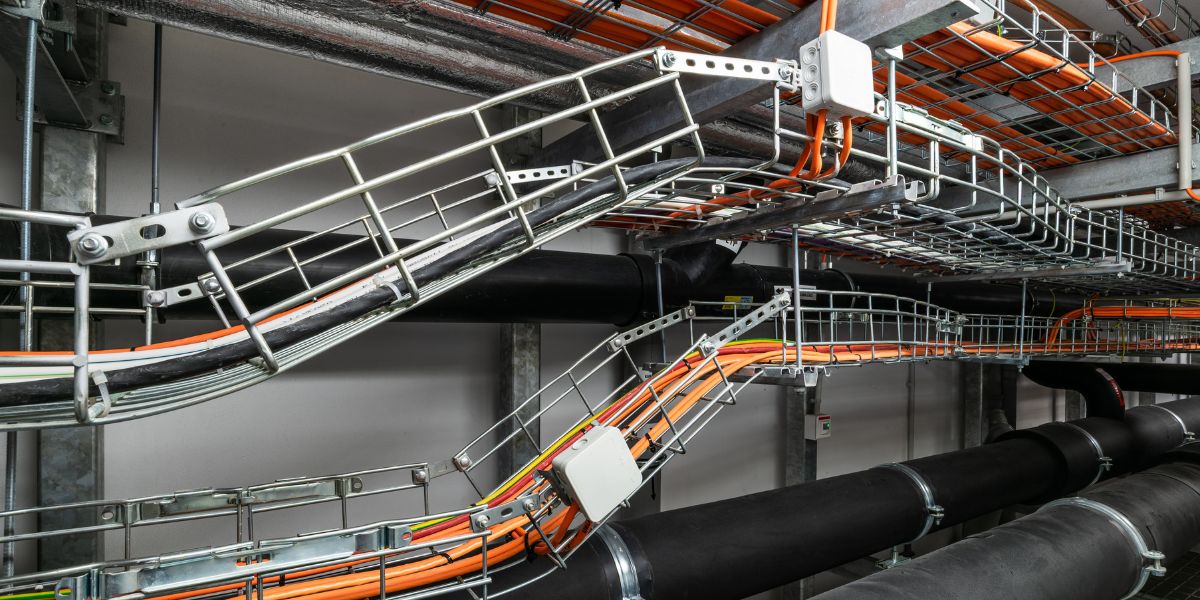
The cable tray revolution particularly impacts THHN applications. NEC Article 392 permits THHN in cable trays, but with restrictions that many contractors don't fully understand. Single conductors must be 1/0 AWG or larger. Smaller conductors require special permission and must be installed in single layer with spacing. The labor to maintain proper spacing and securing often exceeds the cost of switching to VNTC. One data center project found that maintaining code-required spacing for THHN in trays required 50% more tray than VNTC would have needed, completely offsetting any wire cost savings.
The Hidden Factors That Determine the Right Choice
Beyond the obvious considerations of environment and application, numerous hidden factors influence optimal cable selection. Understanding these overlooked elements transforms routine quotations into value-engineering opportunities that save money while improving installation quality.
Installation temperature represents the most overlooked factor in cable selection. Contractors often focus on operating temperature while ignoring installation conditions. THHN pulls beautifully through conduit at 70°F but becomes a wrestling match at 20°F when the jacket stiffens. Standard MC cable's armor becomes brittle below 25°F, risking cracking during bending. PVC-jacketed VNTC faces similar cold-weather challenges. But cold-impact rated VNTC with special compounds remains flexible to -40°F, making it ideal for winter construction or cold storage facilities. The distributor who asks "When will you be installing this?" demonstrates expertise that prevents jobsite problems.
Smart distributors maintain relationships with master distributors who stock multiple temperature-rated versions. DWC, for instance, stocks standard and cold-impact rated VNTC without requiring full reel purchases which is critical when your customer discovers mid-project that the standard product won't work in freezing conditions. No cut charges means you can get exactly what's needed without destroying margins on change orders.
Voltage drop calculations create surprising reversals in cable economics. While THHN, MC, and VNTC might use identical conductor sizes, their installation methods dramatically affect voltage drop. THHN in steel conduit suffers from increased impedance due to magnetic effects. MC cable's armor can create similar issues. VNTC in open-air tray maintains lower impedance, potentially allowing smaller conductors for long runs. One mining operation discovered that switching from MC to VNTC for a 600-foot conveyor feed allowed dropping from #2 to #6 conductors while maintaining acceptable voltage drop, saving thousands in copper costs.
Future flexibility requirements often justify seemingly expensive initial choices. A biotechnology facility specified THHN in oversized conduit throughout, accepting 30% higher installation costs for the ability to reconfigure easily as research needs evolved. Conversely, a warehouse operation chose direct-burial VNTC over conduit-protected THHN, accepting reduced future flexibility for 40% installation savings on circuits unlikely to change. Understanding the customer's long-term plans transforms cable selection from technical exercise to strategic decision.
Of course, flexibility in design means nothing without flexibility in supply. The ability to order exact quantities as needs evolve—237 feet for Phase 1, 489 feet for Phase 2—without reel charges enables the modular construction approaches modern facilities demand. This is where DWC's no-minimum policy becomes a strategic enabler of your customers' evolving projects.
Inspection preferences vary dramatically between jurisdictions and even individual inspectors. Some regions embrace TC-ER installations enthusiastically while others interpret code conservatively, effectively prohibiting exposed runs. Experienced distributors maintain databases of local inspection preferences, guiding customers away from technically correct but practically problematic selections. One contractor avoided a $50,000 rework by learning that their local inspector wouldn't accept MC-AP cable in concrete despite code permission, switching to PVC-coated VNTC instead.
Skilled labor availability increasingly drives cable selection in tight construction markets. VNTC and MC cable require minimal specialized skills—cut to length, strip carefully, terminate with appropriate fittings. THHN in conduit demands experienced craftsmen who can bend conduit accurately, pull wire without damage, and maintain code-required workmanship. In regions facing skilled labor shortages, the premium for cable assemblies becomes irrelevant compared to labor availability and quality concerns.
The Cost Analysis Framework That Wins Sales
Successful distributors don't just quote cable prices—they provide total installed cost (TIC) analyses that reveal the true project economics. This comprehensive approach transforms price objections into value discussions, positioning you as a consultative partner rather than a commodity supplier.
Start with a complete material cost comparison. For a standard 100-foot control circuit, the breakdown might look like this:
THHN System: $120 wire + $180 conduit + $80 fittings + $60 boxes = $440
MC Cable System: $280 cable + $100 connectors + $40 supports = $420
VNTC System: $200 cable + $40 connectors + $30 supports = $270
However, material costs only tell part of the story. Labor analysis often reverses the apparent economies:
THHN Installation: 8 hrs (conduit) + 2 hrs (wire pulling) + 1 hr (terminations) = 11 hrs
MC Installation: 3 hrs (routing) + 2 hrs (terminations) = 5 hrs
VNTC Installation: 2 hrs (routing) + 1 hr (terminations) = 3 hrs
The True Project Economics (Total Installed Cost):
THHN System: $440 (Materials) + $825 (Labor at $75/hr) = $1,265
MC System: $420 (Materials) + $375 (Labor at $75/hr) = $795
VNTC System: $270 (Materials) + $225 (Labor at $75/hr) = $495
These numbers shift based on specific applications. Vertical runs favor MC cable's self-supporting armor. Hazardous locations might mandate specific cable types regardless of cost. High-vibration environments benefit from MC's mechanical protection. But having this framework allows informed discussions rather than price-focused arguments.
But these calculations only matter if you can actually supply the optimal cable in the quantities needed. Too many distributors default to THHN simply because their cable supplier requires minimum reel purchases for VNTC. This is where partnering with a master distributor like DWC changes the game. We supply any length, any configuration, no cut charges. When you can quote 347 feet of 12-4 VNTC as confidently as 5,000 feet, you're free to recommend the truly optimal solution.
Application-Specific Decision Guidelines
Different industrial environments demand different cable selection criteria. Understanding these application-specific requirements allows distributors to make confident recommendations that prevent problems while optimizing costs.
Manufacturing Facilities typically benefit from VNTC in cable trays for control circuits, with TC-ER ratings eliminating most conduit needs. MC cable makes sense for final drops to vibrating equipment or through high-traffic areas. THHN remains optimal for major power feeders where conduit provides required protection and heat dissipation. The key is matching cable to specific zones: VNTC for the backbone, MC for vulnerable segments, THHN for high-power circuits.
Chemical and Petrochemical Plants require careful attention to environmental factors. VNTC with appropriate chemical-resistant jackets handles most applications, with TC-ER ratings particularly valuable for the extensive outdoor runs common in these facilities. MC-HL cable provides Class I Division 2 suitability, though many facilities prefer VNTC with appropriate ratings for consistency. THHN in rigid metal conduit remains standard for Division 1 areas where explosion-proof requirements mandate sealed systems.
Food and Beverage Facilities face unique challenges from washdown requirements and temperature extremes. VNTC with food-grade jackets resists cleaning chemicals while maintaining flexibility in cold environments. MC cable's armor can trap moisture and contamination, making it less suitable despite mechanical protection advantages. THHN in PVC-coated rigid conduit provides ultimate protection but at premium cost. Many facilities standardize on direct-burial rated VNTC for its moisture resistance and simplified installation.
Water and Wastewater Treatment Plants combine corrosive environments with extensive outdoor runs. VNTC dominates these applications, particularly with direct-burial ratings for runs between buildings and TC-ER for equipment connections. MC cable's armor corrodes unless specially treated, limiting its use. THHN requires careful conduit selection to prevent corrosion-related failures. The ability to direct-bury VNTC for underwater or underground runs provides significant advantages over alternatives requiring protective raceways.
Data Centers and Mission-Critical Facilities prioritize reliability over initial cost, but still benefit from strategic cable selection. VNTC works well for control and monitoring circuits, particularly when plenum-rated versions meet air-handling space requirements. MC cable provides mechanical protection for under-floor power distribution. THHN in EMT or cable tray handles high-density power distribution where future reconfiguration flexibility justifies the infrastructure investment.
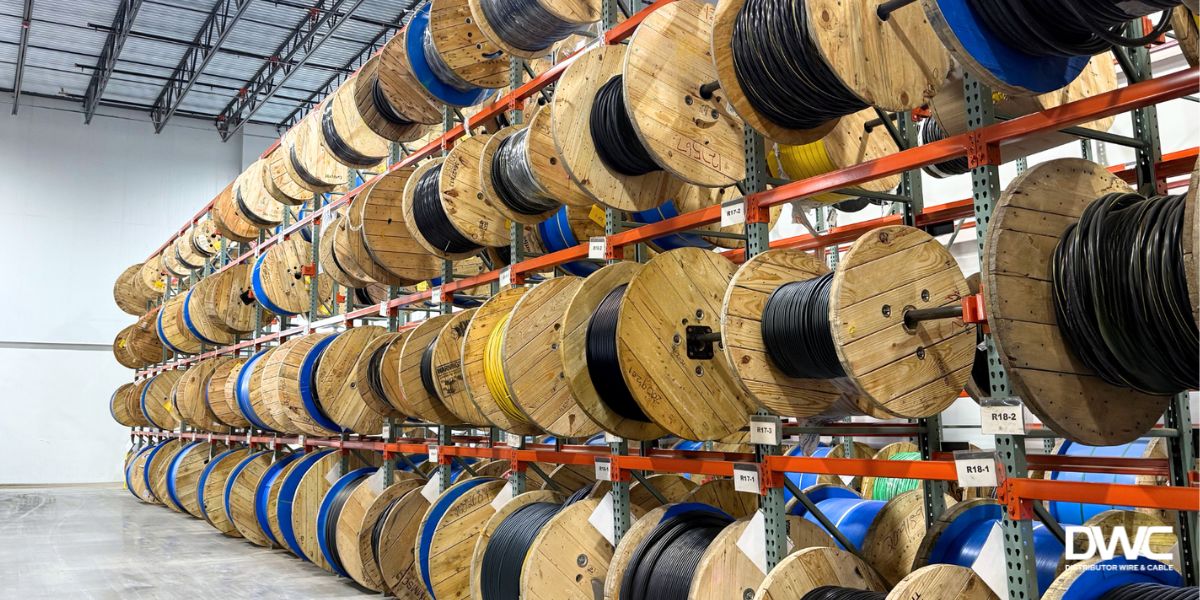
This mixed-cable approach requires a supply partner with deep, diverse inventory. DWC maintains one of the industry's broadest VNTC selections with multiple conductor counts, temperature ratings, and special constructions—all available in exact lengths without reel charges. When Thursday's emergency requires 150 feet of shielded 16-7 VNTC, you need a partner who can quote in minutes and ship immediately.
The Conversation Framework That Positions You as the Expert
When contractors call asking for cable quotes, the informed distributor transforms routine inquiries into consultative conversations that build relationships while optimizing solutions. This framework guides those discussions:
Opening Questions that reveal true requirements:
"What's the specific application for this cable?"
"Will this be installed in tray, conduit, or exposed runs?"
"What are the environmental conditions—temperature, moisture, chemicals?"
"Are there any hazardous area classifications?"
"When will installation occur, and what's your crew's experience level?"
Clarifying Probes that uncover hidden factors:
"How many termination points will you have?"
"What's the total circuit length and routing path?"
"Are there future expansion or modification plans?"
"What are the voltage drop limitations?"
"Have you confirmed local inspection requirements?"
Value-Engineering Suggestions that demonstrate expertise:
"Have you considered TC-ER rated VNTC to eliminate those conduit runs?"
"MC cable might cost more, but it could save two days of installation time."
"Direct-burial VNTC would eliminate the underground conduit completely."
"Using VNTC here would let you reduce tray size by 30%."
"The inspector in your area prefers to see this specific installation method."
Risk-Mitigation Warnings that prevent problems:
"Standard MC cable can crack in cold weather—you'll need the cold-impact version."
"That THHN pull will be difficult with all those bends—consider VNTC instead."
"The armor on MC cable requires special grounding bushings at each termination."
"TC-ER has distance limitations for unsupported spans—let's verify your drops."
"Your voltage drop calculation might require larger conductors than expected."
Converting Technical Knowledge into Sales Success
The most successful distributors transform cable selection expertise into tangible business advantages. They don't just fulfill orders; they solve problems, prevent failures, and help contractors win more profitable projects.
Build Comparative Reference Tools that sales teams can use confidently. Create simple comparison charts showing total installed costs for typical circuits. Develop application guides mapping cable types to common installations. Compile local code interpretation guides that clarify gray areas. These tools transform every team member into a technical resource, multiplying your expertise across the organization.
Document Success Stories that prove value beyond price. When a customer saves installation time by switching from THHN to VNTC, capture the numbers. When proper cable selection prevents a callback, record the details. When your recommendation helps win a project, document the competitive advantage. These stories become powerful sales tools that justify premium relationships over commodity transactions.
Offer Lunch-and-Learn Sessions at customer facilities. Present "Cable Selection Strategies for Modern Industrial Facilities" or "Hidden Cost Factors in Cable Installation." Provide continuing education credits where possible. These sessions position you as the technical authority while building relationships throughout customer organizations. The inside salesperson who attended your training becomes your advocate when quotation requests arise.
Create Project Review Services where you analyze specifications and suggest optimizations. Review the electrical drawings, identify where alternative cable types could save money or time, and present findings professionally. Even if only 20% of suggestions are accepted, you've demonstrated value that transcends product supply. Contractors begin involving you earlier in projects, moving from quotation requests to consultation partnerships.
Understanding Specification Influences and Decision Makers
The cable selection process involves multiple stakeholders, each with different priorities and influence levels. Understanding these dynamics helps distributors navigate complex sales situations while building relationships with all decision makers.
Engineers typically write initial specifications, often conservatively to minimize liability. They respond well to technical documentation, code references, and case studies from similar facilities. Providing detailed submittal packages that address their concerns while suggesting value-engineered alternatives helps engineers justify specification changes. Focus on code compliance, long-term reliability, and maintenance considerations when engaging engineers.
Contractors care primarily about installation ease, callback prevention, and profit margins. They appreciate solutions that reduce labor, prevent inspection failures, and differentiate their proposals. Providing installed-cost comparisons, labor-saving calculations, and inspection-success stories resonates with contractor priorities. Remember that contractors often have more specification influence than apparent, particularly when they can demonstrate cost savings without compromising quality.
Facility Managers focus on long-term maintenance, reliability, and operational flexibility. They value standardization that simplifies spare parts inventory and maintenance training. Demonstrating how cable selection affects future modification costs, downtime risks, and maintenance requirements helps facility managers influence specifications toward optimal long-term solutions. Building relationships with facility managers creates pull-through demand that contractors can't ignore.
Purchasing Agents naturally focus on initial cost but appreciate total-cost-of-ownership analyses when presented clearly. Showing how premium cable selections reduce installation time, prevent delays, and minimize callbacks helps purchasing agents justify higher material costs. Providing budget-impact analyses that include labor, scheduling, and risk factors transforms price negotiations into value discussions.
Regional Variations and Local Expertise
Cable selection preferences vary significantly by region, influenced by local codes, inspection traditions, environmental conditions, and historical practices. Understanding these regional variations provides competitive advantages while preventing specification mistakes.
Northeast markets often favor MC cable due to established contractor familiarity and inspection acceptance. However, rising labor costs increasingly drive VNTC adoption for appropriate applications. Cold weather installation challenges make temperature-rated cables important differentiators. Local codes in major cities may have unique requirements that override NEC permissions.
Southeast regions deal with high humidity, temperature extremes, and hurricane-related codes that influence cable selection. VNTC with sunlight-resistant, wet-location ratings dominates outdoor applications. Chemical and petrochemical facilities along the Gulf Coast have established practices that favor certain cable types regardless of alternatives. Understanding hurricane-recovery requirements helps position appropriate inventory before storm seasons.
During hurricane recovery, material availability becomes critical. DWC's extensive inventory and willingness to ship exact quantities means you can serve emergency repairs without forcing customers to buy unnecessary footage. When a chemical plant needs 500 feet of Class 1 Div 2 rated VNTC to restore operations, not 5,000 feet, you become their hero.
Midwest industrial markets balance traditional preferences with cost pressures from competitive bidding. Agricultural facilities require special attention to corrosion resistance and rodent protection. Seasonal temperature swings make installation timing critical for cable selection. The region's manufacturing base creates opportunities for standardization programs that lock in long-term relationships.
Western markets face seismic requirements that influence support and flexibility needs. Extensive outdoor installations in desert environments demand temperature and UV resistance. Water scarcity drives different cleaning practices in food facilities, affecting cable selection. Mining and resource extraction industries have unique requirements that create specialized opportunities.
The Future of Cable Selection: Emerging Trends
Understanding where cable technology and installation practices are heading helps distributors prepare for tomorrow's opportunities while making today's recommendations future-proof.
Digitalization and Smart Systems increasingly influence cable selection. Ethernet-based control systems require different cable characteristics than traditional analog controls. Power over Ethernet (PoE) applications blur lines between data and power cables. Industrial Internet of Things (IIoT) sensors need hybrid cables combining power and communication. Distributors who understand these emerging requirements position themselves for growing markets.
Sustainability Concerns affect both material selection and installation methods. Customers increasingly request cables with recycled content, reduced environmental impact, and end-of-life recyclability. Installation methods that minimize waste and allow easy reconfiguration gain favor. Life-cycle assessments that quantify environmental impacts become differentiators in competitive situations.
Prefabrication and Modularization shift work from field to shop, affecting cable selection criteria. Prefabricated cable assemblies with pre-terminated ends reduce field labor while improving quality. Modular construction methods favor cable types that integrate easily with prefabricated systems. Understanding how customers' construction methods are evolving helps anticipate changing cable requirements.
Labor Shortages and Skill Gaps continue driving selection toward simpler installation methods. Cable types that minimize specialized skills gain market share. Installation methods that reduce crew sizes become increasingly valuable. Training and support services that help contractors work with new cable types create partnership opportunities beyond product supply.
Making the Recommendation: Your Decision Framework
When contractors need cable selection guidance, this framework ensures optimal recommendations while building trust and demonstrating expertise:
For Control and Instrumentation Circuits:
Default to VNTC in cable tray with TC-ER rating for equipment drops
Consider MC only for high-damage risk areas or customer preference
Reserve THHN for conduit-only requirements or future flexibility needs
For Power Distribution Circuits:
Use THHN for major feeders where conduit provides protection and heat dissipation
Consider MC for branch circuits requiring mechanical protection
Evaluate VNTC for power limited circuits and favorable installation conditions
For Hazardous Locations:
Class I Division 1: THHN in explosion-proof conduit
Class I Division 2: MC-HL or appropriately rated VNTC
Class II/III: VNTC with appropriate temperature and jacket ratings
For Wet or Corrosive Environments:
Direct-burial rated VNTC for underground or underwater
Specially-jacketed VNTC for chemical resistance
Avoid MC unless specially treated for corrosion resistance
For Temperature Extremes:
High-temperature: Consider THHN in conduit or special high-temp cables
Low-temperature: Cold-impact rated VNTC or special compounds
Temperature cycling: Account for expansion/contraction in selection
Becoming the Indispensable Cable Selection Partner
In today's complex industrial construction environment, the difference between VNTC, MC, and THHN goes far beyond basic specifications. Each cable type represents a system of installation methods, cost factors, and long-term implications that affect project success. The distributor who understands these nuances—who can navigate the technical requirements while recognizing the human and economic factors that drive decisions—becomes indispensable to their customers' success.
The conversation that started with "What cable should I use?" transforms into a strategic partnership where you help contractors win more projects, complete them profitably, and build reputations for quality installations. Your expertise prevents expensive mistakes, optimizes installation methods, and ensures code compliance while managing costs. This value transcends any price difference between cable types.
Every cable selection decision creates an opportunity to demonstrate expertise, build trust, and differentiate your services from commodity suppliers. When you guide a contractor through the selection process—asking the right questions, understanding hidden factors, and recommending optimal solutions—you become their competitive advantage. They win projects because their proposals reflect real installation costs. They avoid callbacks because specifications match applications. They build reputations because installations succeed.
The next time a contractor asks about cable selection, you won't just quote prices for VNTC, MC, and THHN. You'll engage in a consultative conversation that uncovers true requirements, reveals optimization opportunities, and results in recommendations that balance performance, cost, and practicality. This expertise—your expertise—transforms routine transactions into strategic partnerships that drive mutual success.
Because in the end, anyone can quote cable prices. But only true distribution professionals can ensure customers select the right cable, for the right application, installed the right way, at the right total cost. That expertise makes you indispensable in an industry where the difference between success and failure often comes down to the cable selection decisions made before the first spool is delivered.
Ready to eliminate 'minimum reel quantity' from your vocabulary? Partner with DWC for instant access to comprehensive VNTC inventory, lightning-fast quotes, and the flexibility to serve your customers' exact needs—whether they need 50 feet or 5,000. No cut charges. No reel requirements. Just the cable your customers need, when they need it. Contact DWC today and discover what true master distribution partnership means.