EPR Cable: What Every Electrical Distributor Needs to Know About Ethylene Propylene Rubber Insulation
Written By: Craig Keller
Posted January 14, 2026

Your contractor calls with an urgent request: a 15kV feeder cable for a water treatment plant expansion, and the engineer specified EPR insulation. The contractor wants to know why the spec calls for EPR instead of the cheaper XLPE option, and whether they should push back on the engineer or trust the specification.
This is the moment that separates order-takers from trusted advisors. The distributor who can explain the "why" behind EPR insulation earns the contractor's confidence and the repeat business that follows. The one who shrugs and says "that's just what the engineer wanted" becomes interchangeable with every other supplier quoting the same price.
EPR cable represents roughly a third of the medium voltage cable market, and for good reason. Understanding when and why EPR outperforms its alternatives transforms you from a commodity seller into the technical resource your contractors rely on when projects get complicated.
What Is EPR Insulation?
EPR stands for Ethylene Propylene Rubber, and the name tells you something important right away. Unlike its primary competitor XLPE (Cross-Linked Polyethylene), EPR is fundamentally a rubber compound. That distinction drives nearly every practical difference between the two insulation types.
The rubber chemistry of EPR insulation creates a material that remains flexible across a wide temperature range, resists moisture intrusion, and handles electrical stress in ways that thermoplastic insulations simply cannot match. Cable manufacturers compound EPR with fillers and additives that enhance specific properties, which is why you'll sometimes hear references to EPR "compounds" rather than just EPR insulation.
Ethylene Propylene Rubber (EPR): A synthetic rubber compound used as electrical insulation in medium and high voltage cables, characterized by flexibility, moisture resistance, and excellent electrical properties across a broad temperature range.
XLPE (Cross-Linked Polyethylene): A thermoplastic insulation material chemically modified through cross-linking to improve thermal and mechanical properties, offering lower cost but reduced flexibility compared to EPR.
The molecular structure of EPR creates an amorphous (non-crystalline) material, meaning the polymer chains are randomly oriented rather than arranged in regular patterns. This characteristic matters enormously for field performance because it prevents the degradation mechanism known as water treeing that plagues crystalline insulations in wet environments.
Why Engineers Specify EPR: The Technical Case
When your contractor asks why the engineer chose EPR over cheaper alternatives, the answer usually comes down to one or more of three factors: installation conditions, operating environment, or long-term reliability requirements.
Flexibility and Installation Advantages
EPR cable bends more easily than XLPE cable of the same size and voltage class. This flexibility translates directly into labor savings during installation, particularly in retrofit projects, conduit pulls, and applications requiring tight bend radii.
Consider a practical scenario your contractors face regularly. A 15kV feeder installation through existing conduit requires navigating multiple 90-degree bends. The installation crew using EPR-insulated cable can pull longer lengths without exceeding sidewall bearing pressure limits and complete the pull with less risk of insulation damage. The crew working with XLPE cable may need to install additional pull boxes or risk jacket and insulation damage during the pull.
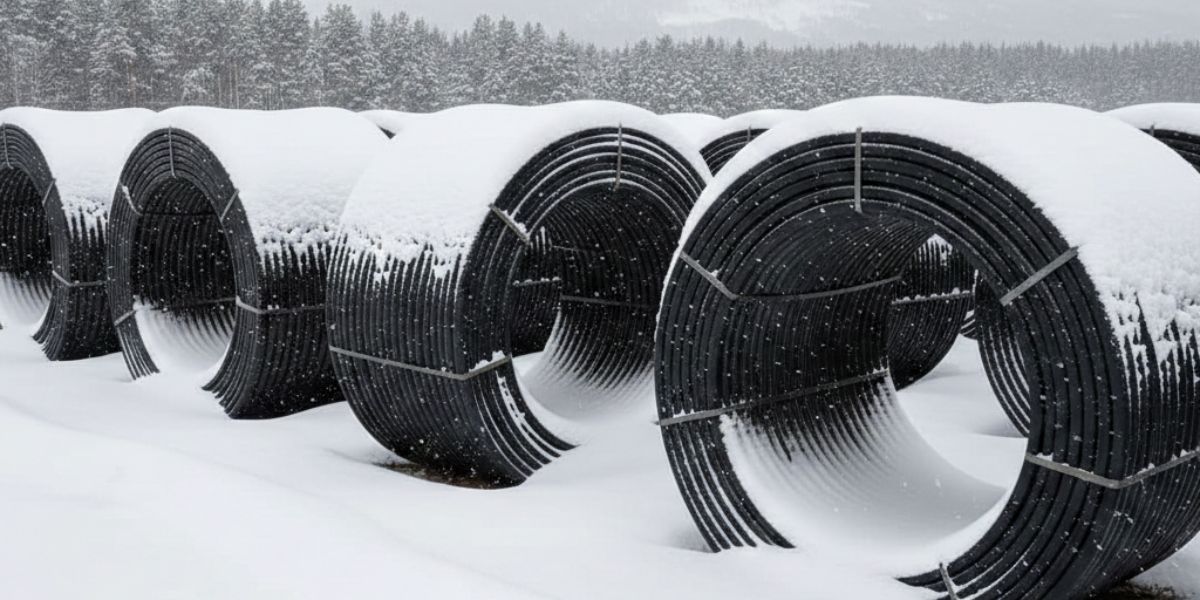
The flexibility difference becomes even more pronounced in cold weather installations. XLPE stiffens dramatically as temperatures drop, making winter installations challenging in northern climates. EPR maintains its flexibility well below freezing, allowing installation work to proceed when XLPE cable would require warming before handling.
Moisture and Water Treeing Resistance
Water treeing represents one of the most significant failure mechanisms in underground medium voltage cable systems. The phenomenon occurs when moisture penetrates the cable insulation and, under electrical stress, creates tree-shaped degradation patterns that eventually lead to insulation failure.
Water Treeing: A degradation mechanism in cable insulation where moisture combined with electrical stress creates progressive, tree-shaped channels through the insulation, eventually leading to electrical failure.
The crystalline structure of XLPE insulation makes it particularly susceptible to water treeing. The boundaries between crystalline regions provide pathways for moisture intrusion and electrical degradation. EPR's amorphous structure lacks these vulnerable boundaries, giving it inherently superior resistance to water treeing.
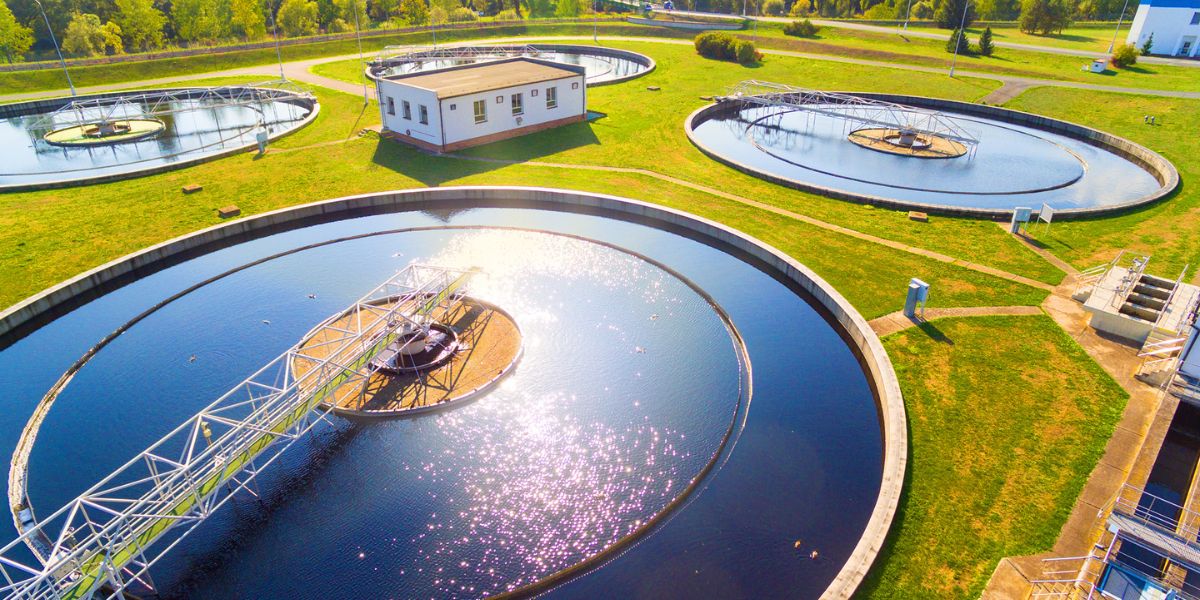
This characteristic explains why EPR specifications dominate in applications involving direct burial, submersible installations, and any environment where the cable will experience prolonged moisture exposure. Water treatment plants, pump stations, and underground distribution systems all benefit from EPR's resistance to this failure mode.
It’s important to note that standard XLPE remains more susceptible to water treeing than EPR, though TR-XLPE (Tree-Retardant) has narrowed this gap in utility applications.
Thermal Performance and Emergency Overload Capacity
Medium voltage cables carry both MV-90 and MV-105 ratings, indicating maximum continuous operating temperatures of 90°C and 105°C respectively. EPR insulation earns MV-105 ratings more commonly than XLPE, though both insulation types are available in both ratings.
MV-90: Medium voltage cable rated for continuous operation at 90°C conductor temperature, with emergency overload ratings typically at 130°C.
MV-105: Medium voltage cable rated for continuous operation at 105°C conductor temperature, providing higher ampacity for the same conductor size compared to MV-90 rated cables.
The practical implication for your contractors involves ampacity. An MV-105 rated cable carries more current than an MV-90 cable of the same conductor size, potentially allowing the use of a smaller conductor to meet load requirements. In a 35kV feeder application for a data center, this difference can translate into meaningful material and installation cost savings.
EPR also handles emergency overload conditions more gracefully than XLPE. When circuits experience temporary overloads, EPR insulation tolerates the thermal stress without the mechanical degradation that can affect XLPE under similar conditions.

EPR vs. XLPE: A Practical Comparison
Your contractors need clear guidance on when EPR justifies its price premium over XLPE. The following comparison addresses the factors that matter most for real-world project decisions.
Characteristic | EPR | XLPE |
Relative Cost | Higher (typically 15-30% premium) | Lower baseline cost |
Flexibility | Excellent; maintains in cold weather | Good at room temperature; stiffens when cold |
Water Tree Resistance | Superior; amorphous structure resists moisture | Moderate; crystalline structure is vulnerable |
Temperature Rating | Commonly MV-105 | Commonly MV-90 |
Installation | Easier pulling; lower sidewall pressure | Requires more care in conduit applications |
Splicing/Termination | Standard techniques; slightly easier handling | Standard techniques; stiffer material to work with |
Emergency Overload Tolerance | Excellent | Good |
Typical Applications | Wet locations, submersible, retrofit, industrial | General purpose, cost-sensitive projects |
The cost difference deserves honest discussion. EPR cable typically runs 15-30% higher than comparable XLPE cable, depending on voltage class, conductor size, and market conditions. That premium makes EPR the wrong choice for applications where XLPE performs adequately.
However, total installed cost often favors EPR in conduit installations where its flexibility reduces installation labor, in wet environments where its longevity avoids premature replacement, and in critical applications where reliability justifies the upfront investment.
Application Guidance: When to Recommend EPR
Helping your contractors make informed insulation choices positions you as a technical resource rather than just a price source. The following guidance reflects the applications where EPR delivers clear value.
Strong EPR Applications
Water Treatment and Wastewater Facilities: These environments combine moisture exposure with critical reliability requirements. Pump stations, treatment basins, and chemical handling areas subject cables to conditions that accelerate water treeing in XLPE insulation. EPR's moisture resistance and reliability justify the premium in these applications.
Industrial Plants with Retrofit Requirements: Existing conduit systems in manufacturing facilities often present challenging pull conditions. EPR's flexibility reduces installation risk and may eliminate the need for costly conduit modifications.
Data Centers Requiring 35kV Distribution: The migration to higher voltages in hyperscale data center construction creates opportunities in the 35kV cable segment. These facilities prioritize reliability above cost considerations, making EPR the natural choice for critical feeders.
Underground Distribution in Wet Soil Conditions: Direct-buried cables in areas with high water tables or wet soil conditions benefit from EPR's water tree resistance. The extended service life can offset the initial cost premium over a 30-40 year installation.
Cold Weather Installations: Projects requiring cable installation in temperatures below 40°F favor EPR's maintained flexibility. XLPE cable requires warming before handling in cold conditions, adding time and complexity to winter installations.
Where XLPE Makes Sense
Intellectual honesty requires acknowledging that XLPE serves many applications well. Dry indoor installations, cost-sensitive projects with adequate reliability margins, and applications where the cable's operating environment doesn't stress XLPE's weaknesses all favor the less expensive option.
When your contractor faces a straightforward 15kV feeder installation in a dry mechanical room with easy pull conditions, recommending EPR without justification just looks like margin hunting. The transparent approach builds trust: explain the trade-offs and help the contractor make the right choice for their specific application.
How EPR Supports the MV-105 Advantage
The relationship between insulation type and temperature rating matters for ampacity calculations your contractors perform regularly. EPR's thermal properties naturally support the MV-105 rating, which provides meaningful ampacity improvement over MV-90 cables.
Consider a 15kV, 350 kcmil copper feeder application. The MV-105 rated cable delivers approximately 10-15% higher ampacity than an MV-90 rated cable of the same size, depending on installation conditions. This difference can allow the use of a smaller conductor to meet load requirements, or provide additional capacity margin with the same conductor size.
For your contractors bidding competitive projects, these calculations affect material costs and installation labor. An MV-105 cable that allows stepping down one conductor size generates material savings that may offset or exceed the EPR price premium while delivering better long-term performance.
Voltage Classes and Common EPR Configurations
DWC stocks EPR-insulated medium voltage cable across the full voltage range from 5kV through 35kV. Understanding the common configurations in each voltage class helps you respond quickly to contractor inquiries.
5kV and 8kV Class
Lower voltage EPR applications typically involve industrial motor feeds, pump cables, and distribution within facilities. These cables commonly feature:
Conductor | Copper, Class B stranded, in sizes from #6 AWG through 500 kcmil |
Insulation | EPR, MV-90 or MV-105 rated |
Shielding | Copper tape shield for most applications |
Jacket | PVC or CPE, depending on environmental requirements |
15kV Class
The 15kV voltage class represents the most common medium voltage segment for commercial and industrial applications. Hospital main feeders, industrial plant distribution, and water/wastewater facility power systems frequently specify 15kV EPR cable.
Conductor | Copper or aluminum, sizes from #2 AWG through 750 kcmil |
Insulation | EPR, predominantly MV-105 rated at this voltage class |
Shielding | Copper tape shield standard; wire shield for higher fault current requirements |
Jacket | PVC, CPE, or LLDPE depending on environmental and code requirements |
25kV and 35kV Class
Higher voltage classes serve utility distribution, renewable energy interconnection, and large data center applications. The 35kV segment has grown substantially as data center designs increasingly specify higher distribution voltages to reduce current and associated losses.
Conductor | Copper or aluminum, sizes from 1/0 AWG through 1000 kcmil |
Insulation | EPR, MV-105 rated |
Shielding | Wire shield preferred for fault current capacity at these voltage levels |
Jacket | Heavy-duty constructions for direct burial and high-stress applications |
Inventory Strategy: Why EPR Belongs in Your MV Approach
Electrical distributors entering or expanding in the medium voltage cable segment face inventory decisions that affect their competitiveness. EPR cable warrants consideration as a core stocking item rather than a special-order product.
The applications driving EPR demand tend toward time-sensitive projects. Water treatment plant pump failures, industrial equipment replacements, and emergency repairs don't wait for eight-week factory lead times. The distributor who can ship EPR cable same-day wins business that special-order suppliers cannot access.
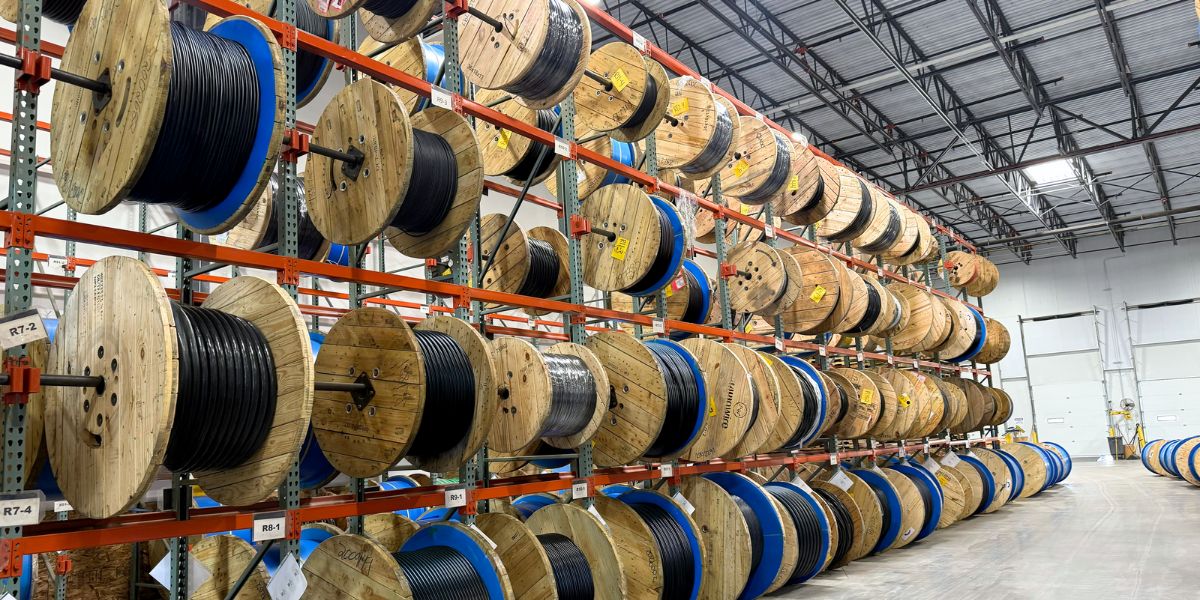
This is precisely where the master distributor model creates value. DWC maintains deep EPR inventory across voltage classes and conductor sizes, allowing you to quote availability that domestic mills cannot match on standard lead times. Your contractors learn that calling you first produces answers, not apologies about manufacturing schedules.
Helping Your Contractor Customers Succeed
The ultimate measure of EPR knowledge isn't reciting specifications—it's helping contractors win profitable projects and avoid costly mistakes. When your technical guidance helps a contractor secure a water treatment plant contract or avoid a failed cable installation, you've created value that transcends price competition.
Equip your inside sales team to ask the right questions when EPR cable inquiries arrive. Installation environment, existing conduit conditions, temperature rating requirements, and reliability expectations all influence whether EPR delivers value worth its premium. The answers guide recommendations that serve the contractor's interests rather than just moving inventory.
Your contractors face competitive pressure from suppliers who treat medium voltage cable as a commodity. Differentiate your operation through technical competence and consultative selling. The distributor who explains why EPR makes sense for a specific application becomes the trusted advisor who earns the next quote.
Getting EPR Cable When You Need It
The medium voltage cable market operates on fundamentally different inventory dynamics than commodity wire. Mill lead times extend to weeks or months, and custom cut lengths add complexity that slows delivery. For projects where timing matters—and in medium voltage work, timing nearly always matters—the ability to ship immediately determines who wins the order.
DWC's fastQuote portal provides instant pricing and availability on stocked EPR configurations across voltage classes. Same-day shipping means your contractor gets cable when the project schedule demands it, not when the manufacturing queue allows. No cut charges protect your margin on partial reel orders, and no reel charges eliminate the hidden costs that erode profitability on medium voltage sales.
When the specification calls for EPR insulation and the contractor needs it fast, the answer is one quote away.
Ready to check EPR cable availability for your next project? Visit fastQuote for instant pricing, or contact your DWC Account Manager to discuss inventory solutions for your medium voltage business.