5kV Medium Voltage Cable: The Transition Zone Between Low and Medium Voltage
Written By: Craig Keller
Posted December 1, 2025

What 5kV Cable Actually Is
The 5kV voltage class emerged in the 1950s and 1960s when industrial facilities needed distribution larger than 480V but smaller than utility-scale 15kV. Engineers standardized on 2,400 volts and 4,160 volts as practical stepping points.
Once manufacturers built motors, switchgear, and transformers around these voltages, the systems basically became self-perpetuating. Facilities built with 4.16kV distribution in the 1960s still operate on that voltage today.
A cable rated for 5,000 volts safely operates on systems up to approximately 3,000 volts phase-to-ground, covering 2,400V systems comfortably and 4,160V systems adequately. The rating represents insulation withstand capability during transient overvoltages, lightning strikes, or switching surges, providing the safety margin that prevents failures.
DWC stocks 5kV cable in two insulation types.
EPR (ethylene propylene rubber) which carries a 105°C temperature rating and provides superior flexibility for tight bends and cold weather. We stock this with copper tape shield.
XLPE (cross-linked polyethylene) with a 90°C rating uses wire shield and meets FAA specifications for airport lighting, which is the single largest 5kV market most distributors overlook.
Both come in 133% insulation level, meaning extra thickness compared to the minimum requirements. This extra insulation extends cable life, provides greater safety margin during voltage transients, and represents better value for permanent installations. All medium voltage cable uses stranded conductors for flexibility; the thick insulation of an mv cable requires this in order to bend without cracking.
Primary Applications for 5kV Cable
Medium voltage cable applications for 5kV MV cable includes:
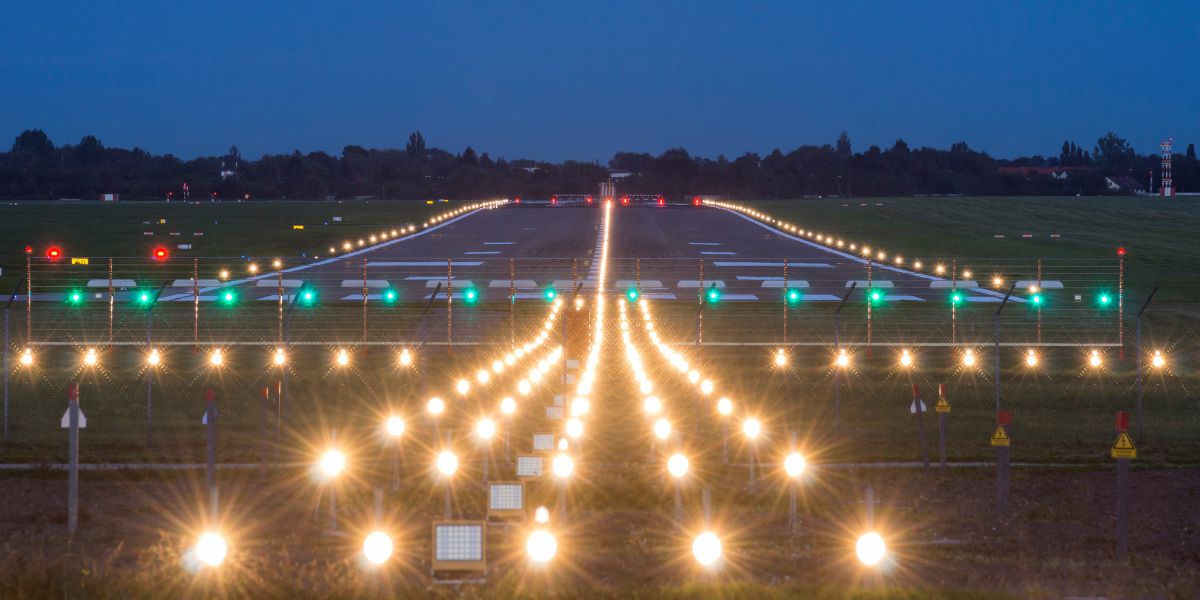
Airport Lighting: Every runway, taxiway, and approach lighting system operates on series circuits powered by constant-current regulators, using cable meeting FAA L-824 Type C specifications.
Every year there are thousands of airport projects across the country in need of lighting upgrades and medium voltage cabling. The majority of these improvements are funded through the FAA’s AIP Program. The Airport Improvement Program (AIP) airport grant program funds airport infrastructure projects such as runways, taxiways, airport signage, airport lighting, and airport markings. The grants are awarded in an attempt to strengthen America’s aviation infrastructure.
Airports are entitled to a certain amount of AIP funding each year, based on passenger volume. If their capital project needs exceed their available entitlement funds, then the FAA can supplement their entitlements with discretionary funding.
Distributors looking to get a lead on projects that their customers may want to pay attention to the AIP Grants portal on the FAA website which is public and publishes every dollar it awards to airports across the country. Here’s a link to the grants awarded in September 2025.
Airports use 5kV instead of 600V because circuits run thousands of feet. At lower voltages, voltage drop would require massive conductors. The 5kV mv cable solution maintains consistent light output across miles with reasonable conductor sizes. DWC's 5kV XLPE with wire shield meets these L-824 specs.
When airport contractors for the IAH project in Houston ask about "L-824 cable" or "5kV airport lighting wire," submit a fastQuote request to DWC. We stock this specifically for the airport market to better serve you. Here’s a few other active and upcoming airport renovation projects to keep an eye on!
Airport | Timeline | Scope |
Norfolk International Airport (ORF) - Norfolk, VA | 2024-2030 (part of $1 billion program) | 3,000 feet runway with lighting systems |
Charlotte Douglas International (CLT) - Charlotte, NC | Groundbreaking June 2023; Completion 2027 | NEW RUNWAY - Complete airfield lighting system for 10,000-ft runway |
Miami International (MIA) - Miami, FL | Groundbreaking Winter 2025-26; Completion 2029 | Runway Status Lights (RWSL) system installation |
Tampa International (TPA) - Tampa, FL | Design started October 2024 | Protection for lighting vault powering main runway |
Nashville International (BNA) - Nashville, TN | 2023-2028 | Airfield improvements including lighting |
George Bush Intercontinental (IAH) - Houston, TX | Design 2025-2026; Construction 2025-2027 | Replace electrical equipment in vault, new service yard with standby generator |
San Antonio International (SAT) - San Antonio, TX | 2024-2044 (20-year plan) | Runway upgrades including lighting |
Louisville Muhammad Ali International (SDF) - Louisville, KY | 2020-2028 (part of SDF NEXT program) | Lighting and lighting control system improvements |
Seattle-Tacoma International (SEA) - Seattle/Tacoma, WA | 2026 | Taxiway T Lighting Replacement |
Phoenix Sky Harbor International (PHX) - Phoenix, AZ | Awarded 2024; Completion mid-2027 | 2,000-ft taxiway with lighting systems |
Industrial Facilities: Manufacturing plants, refineries, and chemical facilities built between 1950 and 1980 probably include 4,160V distribution. These installations used 4.16kV as an economical middle ground between 480V and 15kV.
Many of these facilities still operate today, and expansions or replacements need 5kV cable - how’s that for a lead worth chasing!? In addition, mining operations use 4,160V portable power for underground distribution and chemical plants specify 4.16kV for motors over 500 HP.
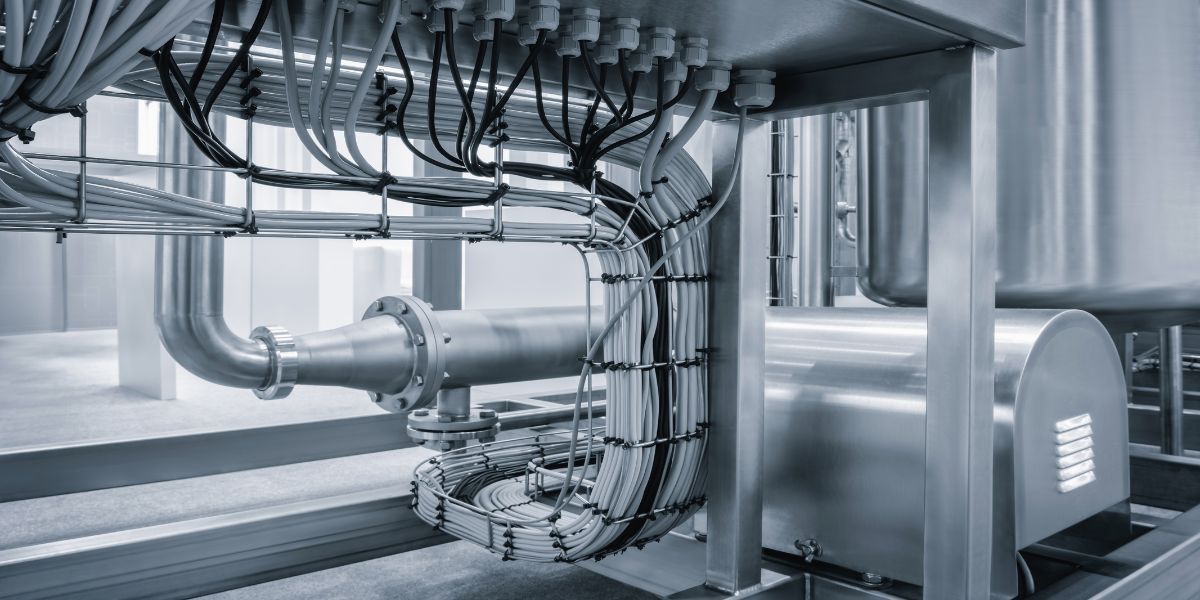
When industrial contractors mention "4,160-volt motor cable" or "medium voltage motor feeders," they need 5kV EPR cable for flexibility in harsh conditions.
Commercial Buildings: Large commercial facilities sometimes use 4,160V distribution to reduce feeder costs when utility service arrives at higher voltage. This is less common than industrial use but represents opportunities when engineers specify 4.16kV distribution for building substations.
Rural Utilities: Some older rural systems still operate 4,160V primary distribution. These systems use 5kV for primary underground cable installations. Note that primary underground for utilities typically requires concentric neutral construction. DWC can source this on request since utility specs vary by region.
NEC Requirements and Standards
The NEC treats everything above 600 volts as medium voltage, triggering different installation requirements. Article 300.5 requires 24 inches of cover for direct burial, which is deeper than required for 600V cable. Article 310 provides ampacity tables for conductor sizing. You're not responsible for calculations; that's the engineer's job. Your role is recognizing questionable specifications and suggesting contractors verify before you quote potentially inappropriate cable.
ICEA standards define construction:
S-94-649 for EPR
S-97-682 for XLPE
UL listing (UL 1072 for MV cable, UL 1277 for cable tray) provides safety verification.
For airport lighting, we look at FAA L-824 specs which reference, but aren't identical to, the UL standards. IEEE 383 flame testing verifies that cables resist fire propagation, which is critical for tray and indoor installations.
Don't interpret standards for contractors or make engineering judgments. When asked detailed code questions, respond: "Those engineering questions should be addressed by your electrical engineer. What I can confirm is that DWC's 5kV cable meets ICEA and UL standards for the constructions we stock."
DWC's 5kV Products: Stock vs. Special Order
What We Stock
5kV EPR mv cable with copper tape shield serves industrial feeders, motor connections, and general MV distribution. The 105°C rating provides operational margin that extends cable life. EPR handles cold weather better than XLPE. Copper tape shield delivers electrical performance at reasonable cost. Stock sizes range from 2 AWG through 500 MCM. The cable features 133% insulation level and is rated for direct burial, duct, and tray applications.
Medium voltage 5kV XLPE with wire shield targets airport lighting meeting FAA L-824 Type C requirements. Wire shield provides mechanical strength for direct burial. The 90°C rating meets airport specs. XLPE offers excellent electrical properties for constant-current series circuits.
Both carry PVC jackets for most installation environments. Jacket colors vary, typically red or black.
What We Source on Request
Aluminum conductors (8-12 week lead time), concentric neutral for utility applications, armored constructions (AIA or galvanized steel), and LSZH jackets for special applications are all available.
When contractors request specialty constructions, respond: "Let me check with DWC on availability and lead time." Submit a fastQuote noting requirements, and we'll source through manufacturer relationships.
Common Contractor Questions
"Do I need 5kV or can I use 600V?"
If system voltage exceeds 600V, it's legally medium voltage requiring appropriate cable. Code requirements trigger above 600V, including different installation depths, testing procedures, and personnel qualifications. Using 600V cable on 2,400V systems is more than a code violation; it's a dangerous situation that will fail catastrophically - always spec at or above what the code calls for.
"Why is 5kV so expensive?"
Thicker insulation, shield systems that 600V cable doesn't need, rigorous testing, and lower production volumes all contribute. But compare cost per amp-foot, not per foot. A 2,400V circuit carries four times the power of 600V using the same current, meaning smaller conductors. That expensive 5kV cable might replace three or four runs of cheaper 600V cable.
"Can I splice it like 600V?"
Absolutely not. Splicing requires specialized kits (heat shrink or cold shrink) costing hundreds to thousands of dollars, specific installation procedures, and trained personnel. After installation, splices require testing (DC hipot or VLF) to verify insulation integrity. Connect contractors with qualified testing services.
Airport Lighting Questions
"Does your cable work with series circuits?"
Yes, DWC's L-824 compliant XLPE is designed for constant current series circuits.
"What's the difference between series and parallel wiring?"
That's installation design territory. Your response: "Your electrical engineer should address that. Our cable meets FAA L-824 Type C specifications."
Testing Requirements: Medium voltage installations require acceptance testing before energization.
Add this note to quotes: "Medium voltage installations require acceptance testing before energization. Contact us for testing service referrals."
Quoting 5kV Cable for Profitable Business
The quoting process for 5kV cable differs fundamentally from commodity wire quotation because you're not just pricing material. You're qualifying whether the opportunity fits your capabilities and the customer's actual needs. This same concept applies to 35kV Medium Voltage; every quote is different!
Start by establishing application context. Is this airport lighting, industrial motor connection, building feeder, or utility primary underground?
The application determines which product construction makes sense, whether you can deliver from stock, and what support requirements the contractor will have beyond material supply.
Airport lighting projects generally represent the most straightforward quotes if you understand the specification. Contractors mention FAA L-824 or airport lighting cable, you confirm DWC stocks 5kV XLPE with wire shield meeting these specifications, provide fastQuote pricing, and deliver from stock within days.
These projects rarely involve complex engineering questions because the specifications are standardized by federal regulation, and contractors doing airport work generally understand the requirements. Quote this business at 20-25% margins because you're providing specialized material many distributors don't stock, delivering quickly from inventory, and serving a market your competitors ignore.

Industrial applications require more qualification. When contractors ask for 5kV cable for motor connections or building feeders, confirm whether the application specifies EPR or XLPE insulation, verify conductor size and length requirements, and ask about delivery timeline. Stock availability from DWC means you can deliver common sizes in days rather than weeks, which creates value justifying 18-25% margins depending on quantity and competitive situation. For larger projects where contractors are getting multiple quotes, you might shade margins lower to win the business, but remember that your stock position eliminates their delay risk. Don't compete purely on price against suppliers quoting 8-12 week manufacturing lead times.
Utility primary underground applications almost always require specialty constructions we don't stock, with concentric neutral being the most common requirement. When distributors encounter these specifications, the appropriate response is requesting a fastQuote from DWC noting the concentric neutral requirement and any other specialty construction details. We'll work with manufacturers to source compliant cable, quote with 12-15% margins reflecting the special order nature, and provide realistic lead times. Don't try to substitute tape shield cable for specified concentric neutral to make a stock sale. Utility specifications exist for grounding and protection reasons, and incorrect products create liability exposure nobody wants.
Special order items such as aluminum conductors, armored constructions, and LSZH jackets should be quoted at 12-18% margins reflecting the sourcing work involved and longer lead times. These aren't stock-and-deliver transactions; they're project coordination exercises where you're providing value through manufacturer relationships and procurement expertise. The margins are lower than stock material because you face more competition from specialty distributors and manufacturers' representatives who regularly source these products, but the business is still profitable if you qualify properly and set accurate delivery expectations.
Stock versus special order lead time communication prevents most post-sale disputes. When quoting stock items from DWC, state clearly: "This configuration is available from stock for delivery within 2-3 business days after order." When quoting special order items, be equally clear: "This construction requires factory manufacturing with 8-12 week lead time after order placement and approval of shop drawings." Contractors make project commitments based on your delivery promises, so accuracy matters more than optimism. Better to promise 10 weeks and deliver in 8 than promise 6 weeks and deliver in 10.
The fastQuote system from DWC streamlines stock item quotation to around 6 minutes for standard configurations, giving you a dramatic speed advantage over distributors working through traditional processes that take days. When contractors call needing quick pricing for time-sensitive projects, your ability to deliver accurate quotes the same day, often within the hour, converts opportunities your competitors lose to response time delays.
Make sure your team knows that fastQuote exists specifically for these situations and that fast response for 5kV stock items represents a competitive advantage.
What Distributors Often Get Wrong About 5kV
The most common mistake is treating 5kV cable as "600-volt cable that happens to be rated higher." This misunderstanding creates problems because it leads distributors to assume familiar product knowledge applies, installation requirements mirror low-voltage practice, and contractors need no more support than they would buying THHN. In reality, 5kV occupies genuinely different territory with distinct installation complexity, mandatory testing requirements, and contractor support needs that differ fundamentally from low-voltage wire.
The installation complexity difference matters because contractors comfortable with 600V work often underestimate what medium voltage installation involves. Deeper burial requirements, specialized splice kits, termination procedures requiring trained personnel, and mandatory testing before energization all represent installation steps beyond low-voltage familiarity. When distributors fail to recognize this complexity, they can't provide the basic guidance that helps contractors avoid expensive mistakes. This isn't engineering guidance you're unqualified to provide, but simple acknowledgment that this isn't standard electrical work and contractors should verify they understand requirements before starting.
Underestimating contractor support needs creates situations where distributors win material sales but lose customers to frustration. A commercial electrician buying 5kV cable for their first medium voltage project will call with questions: What size splice kit do I need? Where do I get this tested? Does this cable bend like 600V wire? These aren't engineering questions requiring technical staff you don't have. They're basic support questions any distributor should handle by connecting contractors with appropriate resources. For splice kit sizing: "The manufacturer specifies compatible kits; let me get you that information from DWC." For testing services: "You'll need qualified testing; I can provide contact information for services in our area." For bending radius: "The manufacturer specifies minimum bending radius; let me verify that for your cable size."
The airport lighting opportunity represents the single most overlooked market in 5kV cable, and distributors miss it because they don't recognize FAA L-824 specifications as a distinct category. Airports need specialized cable, specifications are federal standards, and contractors doing airport work are actively looking for distributors who understand their requirements. When contractors mention L-824 or airport lighting cable, they're identifying themselves as members of a specialized market with ongoing material needs, and your response determines whether you become their regular supplier or just another distributor who doesn't stock what they need.
Not asking about testing requirements upfront creates post-sale problems when contractors realize they need services they hadn't budgeted. Medium voltage installations require acceptance testing, period.
When quoting 5kV cable, add a simple note: "Note: Medium voltage installations require acceptance testing before energization. Contact us if you need testing service referrals in your area." This sets expectations during the quote phase rather than after installation when contractors discover their electrical inspector requires certified test reports.
Another frequent mistake is failing to distinguish between stock delivery from DWC and special order lead times. When contractors ask about 5kV cable, some distributors quote everything as special order with 8-12 week lead times because they're unfamiliar with what DWC actually stocks. This loses business you could have won by emphasizing stock availability. Conversely, promising stock delivery for specialty constructions you don't actually have creates worse problems when contractors discover their project schedule depends on manufacturing lead times you failed to communicate. Know what DWC stocks versus sources, communicate accurately, and protect your credibility by setting correct expectations.
Understanding 5kV Creates Competitive Advantage
The 5kV market rewards specialty knowledge because most distributors either avoid it completely or handle it casually without understanding the distinct applications and requirements. Airport lighting alone represents recurring business opportunity that grows as airports expand and aging systems require replacement. Industrial facilities with 4.16kV distribution need reliable suppliers who understand their voltage class and can deliver quickly when equipment failures or expansions require cable. These aren't one-time sales. They're relationship opportunities with customers who value suppliers that actually understand what they need.
DWC maintains stock in the two most common 5kV constructions specifically to support distributors serving these markets. The 5kV EPR with copper tape shield covers general industrial and commercial applications. The 5kV XLPE with wire shield serves airport lighting requirements. Together, these stock positions let you deliver quickly for the majority of 5kV applications your customers encounter, creating competitive advantage against distributors who treat everything as special order or don't carry 5kV at all.
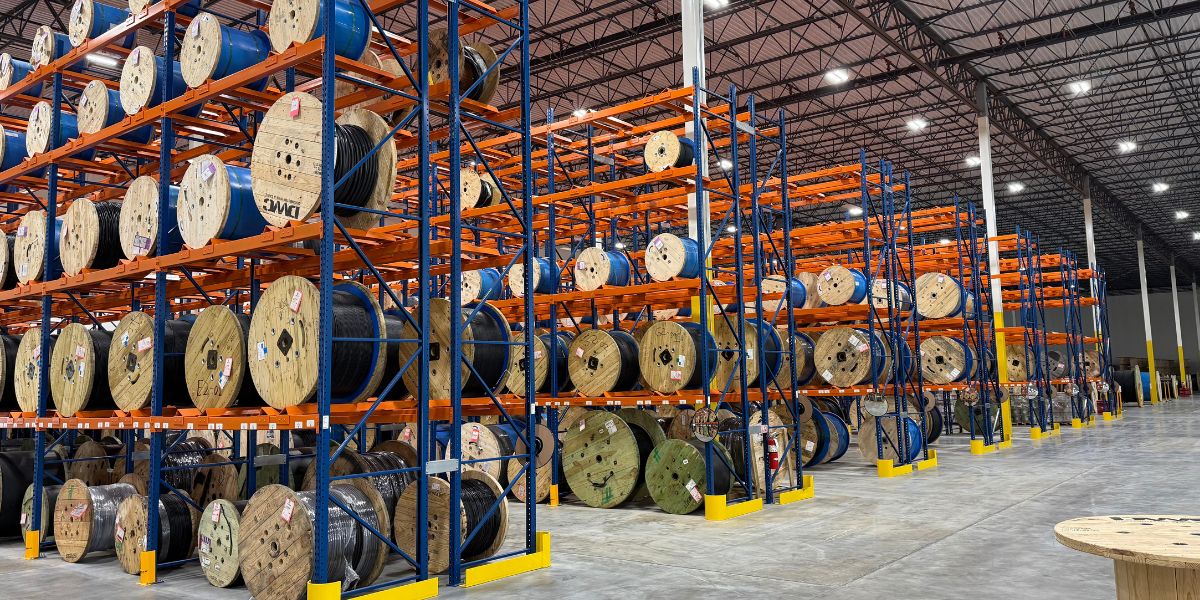
For specialty constructions such as concentric neutral, aluminum conductors, armored cable, and LSZH jackets, our manufacturer relationships mean we can source what contractors need even when it's not inventory we maintain. The response when contractors request specialty 5kV constructions should always be: "Let me check availability and lead time with DWC. We can source specialty constructions even if they're not stock items." Submit a fastQuote request with specification details, and we'll work through appropriate sourcing options. This maintains the relationship and captures business rather than turning away customers whose requirements exceed standard stock.
The key strategic insight is that 5kV occupies territory where knowledge creates advantage that commodity pricing can't overcome. Contractors buying THHN shop based primarily on price because everyone understands the product and availability is universal. Contractors buying 5kV cable are looking for distributors who understand their applications, can deliver quickly from stock, and won't treat them like they're ordering something exotic. Build this understanding, maintain awareness of DWC's stock positions, and use fastQuote to respond quickly when opportunities arise.
Your next step is simple: verify your team knows that DWC stocks 5kV cable in both EPR and XLPE constructions, understand the basic applications where contractors need these products, and commit to submitting fastQuote requests rather than turning away customers or quoting excessive lead times for material we actually have available. The airport lighting market alone justifies this effort, and the industrial applications provide additional recurring business that builds over time.
When contractors come in requesting 5kV cable, whether they call it medium voltage, airport lighting cable, or motor feeder cable, recognize that you're hearing opportunity in a market most distributors overlook.
Request a fastQuote from DWC, deliver accurate pricing quickly, and position yourself as the distributor who actually understands what they need. That's how specialty knowledge converts to profitable business in the transition zone between low voltage and utility-scale medium voltage distribution.