
The Electrical Distributor's Guide to 25kV Medium Voltage Cable: When Standard Industrial Specs Meet Critical Infrastructure Demands
Written By: Craig Keller
Posted October 8, 2025

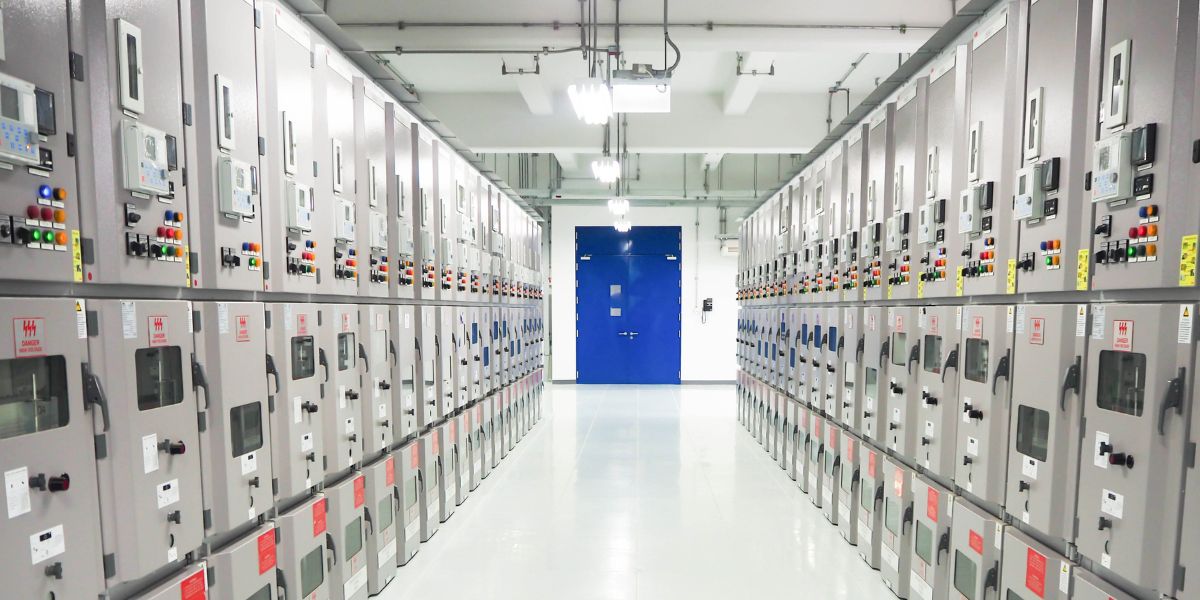
Your contractor just called with a data center expansion project, and the electrical engineer specified 25kV cable. You've quoted 15kV projects before without breaking a sweat, but 25kV? That's typically utility territory. You're staring at your screen wondering whether this is a standard industrial job or something that requires specialized inventory, and you're not sure if your usual suppliers even stock it. Meanwhile, the contractor needs a quote by end of day, and you know two other distributors are competing for this bid.
Here's the context that makes this conversation more urgent than you might realize: data center construction spending through September 2025 reached $32.9 billion, representing a 92.8% increase over the same period in 2024. But the real story behind these numbers is even more dramatic. According to Harvard economist Jason Furman, without data center investment, U.S. GDP growth would have been just 0.1% in the first half of 2025. Data center spending, while representing only 4% of GDP, accounted for fully 92% of GDP growth during that period. This isn't just another construction boom. This is the infrastructure backbone driving the entire American economy forward.
For electrical distributors, this translates to immediate business impact on your desk today: 149 data centers broke ground through August 2025, with 39 additional projects worth a combined $25.5 billion sitting in late-stage planning for year-end groundbreaking. If those projects materialize as expected, 2025 data center construction will exceed $58 billion, more than double the 2024 record. Every single one of those facilities requires thousands upon thousands of feet of medium voltage cable, and 25kV is increasingly becoming the voltage of choice for campus distribution between buildings and across sprawling hyperscale complexes.
Here's what most electrical distributors don't realize: 25kV medium voltage cable sits at a fascinating intersection of industrial and utility-grade infrastructure. It's the voltage class that's exploding in demand thanks to hyperscale data centers, large-scale solar farms, and industrial campuses that need to transmit serious power over longer distances without the complexity and expense of stepping all the way up to 35kV. Understanding when and why projects specify 25kV versus 15kV or 35kV isn't just technical knowledge for the sake of technical knowledge. It's the difference between confidently quoting a $50,000 cable package in fifteen minutes with complete certainty or scrambling around for three days trying to figure out the right spec, only to lose the bid to a competitor who understood the application cold and had the inventory to back it up.
This guide breaks down everything you need to know about 25kV cable from a distributor's perspective: the technical specifications that actually matter to your contractor customers (and which ones they can be flexible on), the applications driving demand in your territory, and the inventory and logistics challenges that separate distributors who consistently win these bids from those who don't.
Understanding the 25kV MV-105 Sweet Spot: Why This Voltage Class Exists
Medium voltage cable comes in distinct voltage classes, and each one exists for specific engineering and economic reasons that make sense once you understand the physics and the dollars involved. The jump from 15kV to 25kV medium voltage cable isn't some arbitrary number that engineers picked out of a hat. It's driven by a fundamental electrical principle that affects every wire in every building: higher voltage allows you to transmit more power over longer distances with smaller conductors, which translates directly to less copper cost and dramatically lower voltage drop.
Voltage Drop Economics: When a project requires transmitting several megawatts of power more than 500 feet from the source to the load, the electrical engineer faces a real choice with real cost implications. They can specify massive 15kV conductors that are expensive to buy, heavy to handle, and harder to install, particularly in tight spaces. Or they can step up to 25kV and use smaller conductors that are easier to handle, faster to terminate, and genuinely save money on both material and labor. The engineering crossover point where 25kV MV-105 starts making financial sense typically occurs around 3-5 MW of load at distances exceeding 1,000 feet. Below that threshold, 15kV is usually more economical. Above it, 25kV wins on total installed cost.
The Data Center Phenomenon: Hyperscale data centers are the single biggest driver of 25kV demand right now, and when you understand the scale of what's happening, the numbers become staggering. Tech giants including Microsoft, Google, Amazon, Meta, and Nvidia are collectively spending nearly $400 billion annually on data center infrastructure. These aren't small facilities tucked into office buildings. These are massive complexes that consume 20-100 MW of power each, and they need to distribute that enormous power load from utility interconnections to multiple buildings spread across sprawling campuses that can span hundreds of acres.
A typical Microsoft data center building, for context, spans approximately 250,000 square feet with 48 MW of critical IT capacity. That single building gets divided into five separate data halls, each handling roughly 9.6 MW. Engineers routinely specify 25kV cable (along with 11kV and 33kV depending on the specific campus architecture) for intra-campus distribution between the utility substation and these individual buildings. Your contractor customer might be wiring the electrical room for a 10 MW server hall that sits 2,000 feet from the main utility switchgear, and that's exactly the scenario where 25kV cable becomes the engineer's specification of choice.
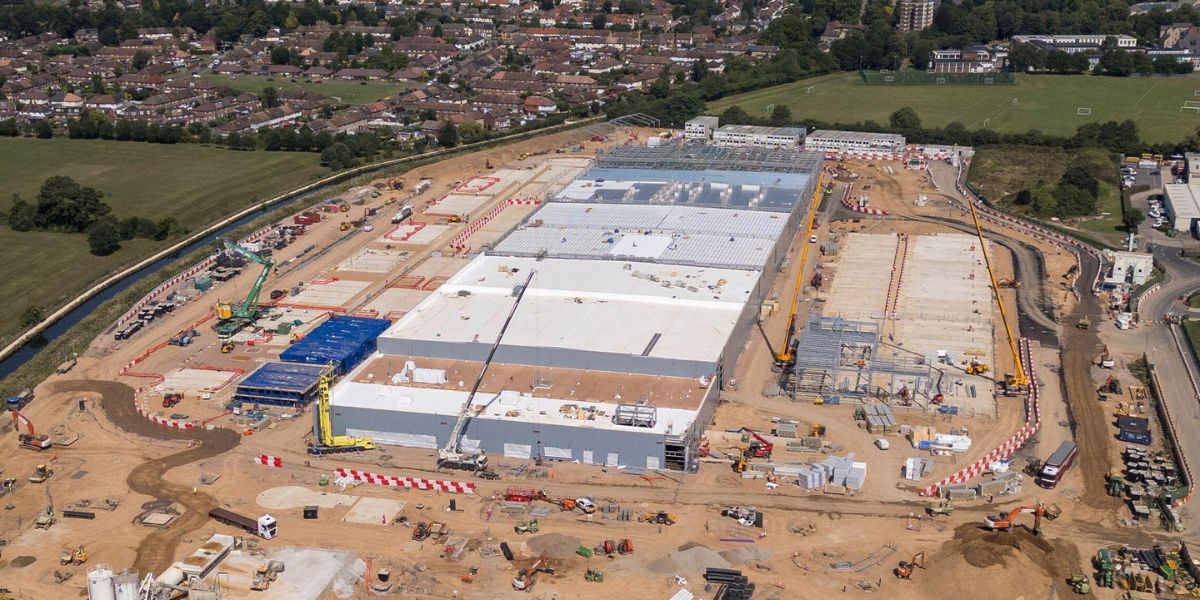
The geographic concentration of this activity matters enormously if you're trying to capture this market. Through September 2025, three Southern states completely dominated data center construction spending: Louisiana led with $10 billion, Virginia followed with $7 billion, and Texas captured $4.8 billion. These three states alone represent two-thirds of all U.S. data center construction spending for the year. If your territory includes any of these markets, you're sitting on top of the largest infrastructure boom in a generation.
Virginia's Northern Virginia region deserves special mention because it handles over 70% of the world's internet traffic and hosts an almost incomprehensible concentration of data centers. Dominion Energy, the state's largest utility, signed 40 gigawatts of new data center contracts in Q4 2024 alone. That's nearly double what they had the previous year, and every one of those contracts translates to medium voltage cable orders flowing through distributors who understand the specifications and can deliver on compressed timelines.
Renewable Energy Installations: Solar farms and wind installations increasingly use 25kV to collect power from multiple inverter stations or turbines and transmit it back to a central substation for grid interconnection. A typical 50 MW solar farm might have twenty separate 2.5 MW inverters spread across 500 acres of panels, and all of those inverters need to be connected via collector cables running back to the main switchgear. That's a lot of cable, and 25kV is the sweet spot voltage for that application.
The relationship between data centers and renewable energy creates a multiplier effect for cable distributors. Data centers now account for 1.5% of total global energy consumption as of 2024, and that usage has been expanding at four times the rate of total electricity usage since 2017. All that power has to come from somewhere, and the hyperscalers are increasingly committed to renewable energy sources. When Amazon or Microsoft commits to powering a new data center campus with solar or wind, that creates two separate massive cable opportunities: one for the data center campus itself, and another for the renewable installation feeding it.
The commercial implication for you as a distributor is straightforward but critical: 25kV projects are almost always large in scope, time-sensitive in execution, and specification-critical down to the smallest detail. The contractor can't afford to wait 12 weeks for a manufacturer lead time when they're working on a schedule where delays cost the customer six figures per day. And they absolutely cannot afford to order the wrong insulation type or shield configuration and discover the mistake when the inspector shows up on site. This is precisely where your expertise as a distributor and your relationship with a responsive master distributor becomes the deciding factor in winning the bid versus losing it to a competitor who had their act together.
Technical Specifications: What Your Contractor Actually Needs to Know
When you receive a specification sheet for 25kV cable, you're typically looking at a complex string of designations that reads something like "25kV MV-105 EPR Insulation, Copper Tape Shield, Class B Stranded Copper Conductor, Three Conductor Configuration." To most people, including many contractors, this looks like alphabet soup. Let's decode what each of these specifications actually means in practical terms and, more importantly for your role as a distributor, which specifications are absolutely non-negotiable and which ones might have some room for value engineering that could save your contractor money.
Insulation Types: EPR vs. XLPE
The insulation choice has the single biggest impact on installation labor costs and long-term reliability in the field. This isn't a minor detail that engineers argue about in theory. This is the difference between pulling cable smoothly through conduit in one shift versus struggling with it for two days and blowing the labor budget. Here's the practical comparison that your contractor actually cares about:
Feature | EPR (Ethylene Propylene Rubber) | XLPE (Cross-Linked Polyethylene) |
Flexibility | Highly flexible, bends easily, pulls through conduit with less force | Stiffer, requires wider bending radius, more difficult in tight spaces |
Temperature Rating | Typically rated MV-105 (105°C operating temperature) | Usually MV-90 (90°C), though MV-105 versions are available |
Installation Labor | 15-20% faster installation in confined spaces with multiple bends | Requires more pulling compound, larger sweep angles, more labor hours |
Cost Per Foot | 10-15% more expensive than XLPE for the same conductor size | More economical for long straight runs where flexibility doesn't matter |
Moisture Resistance | Superior performance in wet environments, fewer termination issues | Good performance but requires more careful termination sealing |
Best Applications | Data centers with tight vaults, hospitals with existing infrastructure, retrofits | Utility duct banks with straight runs, new construction with generous conduit |
The Distributor's Selling Point: EPR costs more money upfront when you quote it, but it saves your contractor real money on installation labor where it actually counts. If the job involves multiple 90-degree bends, pulling through existing conduit with limited space, or working in tight electrical vaults where there's no room for wide sweeps, EPR cable pays for itself in reduced labor hours. The electricians can pull it faster, with less effort, using less pulling compound, and with fewer crew members on the pull. That's real money saved, not theoretical.
XLPE makes perfect sense for new construction projects with generous conduit sizing and primarily straight runs. When you're pulling 500 feet of cable through a brand-new 4-inch conduit with only one 45-degree bend, XLPE's lower material cost wins and the installation doesn't suffer. But when a contractor calls you saying "give me the cheapest 25kV cable you can find," your job as the trusted distributor is to ask them about the installation conditions first. You'll look like a genius to your contractor, and you'll protect your margin by selling the right product for the application rather than just the cheapest product on paper.
25kV Medium Voltage Cable Shielding: Copper Tape vs. Wire Shield
Every medium voltage cable requires a metallic shield layer to contain the electrical field and provide a ground fault return path. At 25kV voltage levels, the shield choice affects both the installation complexity (how hard it is for the electrician to prepare the termination) and the fault current performance (how well the cable handles a short circuit when something goes wrong).
Copper Tape Shield: This is the standard shield type for the majority of industrial and commercial applications, and for good reason. A helically-wrapped copper tape, typically 5 mils thick, gets wrapped around the insulation layer during manufacturing. It's lighter in weight than wire shield, more flexible for pulling and bending, and significantly easier for the electrician to prepare during termination. The termination process involves peeling back the tape, which takes minutes rather than the more involved process required for wire shields. The tape shield provides completely adequate ground fault protection for most applications where the available fault current at the installation site is under 10,000 amps, which covers the vast majority of commercial and industrial installations.
Wire Shield: When the project specifications explicitly call for higher fault current capacity or when the engineer wants additional mechanical protection beyond what tape provides, they'll specify a concentric wire shield instead. This shield consists of bare copper wires, typically #14 AWG or #12 AWG, helically wrapped around the insulation in a concentric pattern. Wire shields add noticeable weight to the cable and increase the cost compared to tape shields, but they provide superior ground fault performance and higher mechanical strength. Wire shields are often required in utility substations, heavy industrial settings where fault currents routinely exceed 20,000 amps, or installations where the cable might be subject to mechanical stress or damage during operation.
The Specification Trap That Loses You Bids: Here's where distributors lose quotes and damage relationships through an easily avoidable mistake. A contractor calls in somewhat of a hurry asking for "25kV cable with copper shield" without specifying whether they need tape or wire. You quote the less expensive copper tape shield because that's the standard and you're trying to be competitive on price. Two weeks later, the cable arrives on the job site. The electrical inspector shows up, checks the engineered drawings that the contractor may not have fully reviewed, and discovers that the specification clearly calls for "concentric wire shield." Now your contractor has a serious problem. They either have to eat the cost difference between what they bought and what they actually need, or they have to delay the project while waiting for the correct cable to arrive, which puts them in breach of their contract schedule. Neither option makes them happy with you.
The solution is simple but requires discipline: always confirm the shield type in writing before you quote any medium voltage cable project. If the contractor doesn't know or isn't sure, help them find out by offering to review the engineer's specification sheet. Take the three minutes to be certain, and you'll never have this problem.
25kV Medium Voltage Conductor Material: Copper vs. Aluminum
The conductor material choice at 25kV voltage levels is fundamentally driven by three factors: project economics, weight considerations for handling and installation, and the termination equipment and expertise available to the contractor's electrical crew.
Copper Conductors: Class B stranded copper is the default conductor material for the majority of commercial and data center applications, and it remains the preferred choice for several solid reasons. Copper provides inherently lower electrical resistance compared to aluminum, which translates directly to less voltage drop over distance and less heat generation during operation. Lower heat generation means the cable runs cooler, which extends service life and reduces the risk of insulation degradation over time. Copper is also significantly easier to terminate in the field because virtually all commercial lugs, connectors, and termination hardware are designed and optimized for copper conductors. Electricians know copper, they're comfortable working with it, and they can terminate copper connections quickly and reliably.
The trade-offs with copper are cost and weight, both of which matter on large projects. A 500 kcmil copper conductor at 25kV voltage rating weighs approximately 3.5 pounds per linear foot when you include the insulation, shielding, and jacket. That weight adds up fast when you're installing 5,000 feet of cable, and it affects both shipping costs and the physical labor required for installation.
Aluminum Conductors: Compact stranded aluminum conductors reduce the cable material cost by 30-40% compared to equivalent copper, which represents real money on large projects. Aluminum also cuts the cable weight nearly in half, which makes a meaningful difference for long runs where the installation crew is wrestling with heavy reels and pulling thousands of feet through conduit. For applications where cost is the primary driver and the installation is straightforward, particularly utility-scale projects like solar farms or long-distance power transmission, aluminum makes solid economic sense.
The challenges with aluminum are real and need to be understood before you quote it. Aluminum has higher electrical resistance than copper, which means you need to use a larger conductor size to carry the same current as copper. That partially offsets the cost savings, though aluminum still usually wins on total installed cost for very long runs. The bigger issue is termination. Not all electricians are experienced and comfortable with aluminum terminations, which require special compression lugs, anti-oxidant compound to prevent corrosion at the connection point, and more careful attention to torque specifications. If the termination isn't done correctly, you get resistance heating at the connection point, which leads to failures down the road.
Key Applications: Where 25kV MV Cable Demand Comes From
Understanding the specific end-use application that's driving your contractor's cable requirement helps you tremendously in anticipating which specifications will be absolutely critical and non-negotiable versus which ones might have some flexibility for value engineering. It also helps you anticipate what auxiliary products the contractor is going to need beyond just the cable itself, things like splicing kits, termination kits, elbows, and grounding equipment that can significantly increase your total project value.
25kV Medium Voltage is used in Hyperscale Data Centers
Data centers and datacenter cabling represent the highest-value, highest-urgency, and highest-stakes application for 25kV medium voltage cable in the current market. With 52 projects worth over $40 billion sitting in the pipeline for groundbreaking in the next six months, and with average project costs now reaching $499 million (up from $426 million just twelve months ago), these projects move at a speed and scale that most distributors haven't encountered before. The year-over-year increase in per-square-foot construction costs has surged 47%, reflecting the escalating complexity of these facilities and the massive energy infrastructure demands they place on the electrical systems.
When a data center contractor calls you for a quote, understand that they're operating under constraints that don't exist in typical commercial construction. These projects run on compressed schedules where delays are measured in lost revenue per hour, not per week. Time literally equals money at scales that are hard to comprehend. Downtime during construction, or any delay that pushes back the facility's operational date, can cost the customer $100,000 per hour in lost revenue from server capacity that's not generating income. That means the contractor doesn't have time for debates about specification alternatives, doesn't have patience for "close enough" substitutions, and absolutely cannot tolerate any situation where cable arrives on site and doesn't match the engineered specifications exactly.
Typical Specifications for Data Center Projects: You'll typically see 25kV MV-105 EPR insulation specified (the flexibility matters because these cables often route through confined spaces and tight electrical vaults), copper tape shield (adequate fault current capacity for the application and easier to terminate), three-conductor configuration (saves conduit space and simplifies installation), with copper conductors ranging from 250 kcmil up to 750 kcmil depending on the load requirements for that specific circuit. The engineer sizes each cable to handle 2-5 MW per circuit with multiple redundant paths built into the design so that no single cable failure can take down critical IT loads.
Data centers also overwhelmingly require shielded power cable, not unshielded medium voltage cable, because these cables terminate inside critical electrical rooms packed with sensitive monitoring equipment, controls, and instrumentation. The shield prevents electromagnetic interference from affecting the delicate electronics that monitor and control the power distribution system.
The Speed Advantage That Wins Bids: Data center contractors work on compressed construction schedules that are driven by the broader economic urgency these facilities represent. Remember the context here: these data center facilities represent 92% of U.S. GDP growth even though data center investment accounts for only 4% of total GDP. The economic stakes are enormous, which filters all the way down to individual cable procurement decisions.
If you can ship 25kV cable the same day the contractor places the order, or guarantee delivery within 48 hours, you've just solved their single biggest problem and eliminated their primary source of anxiety. This capability is where a strong master distributor relationship becomes your competitive weapon that allows you to win bids away from larger competitors. While your competitor is waiting for a factory to acknowledge the purchase order and slot it into a production schedule eight weeks out, you're delivering cable to the job site and the contractor's electricians are already pulling it.
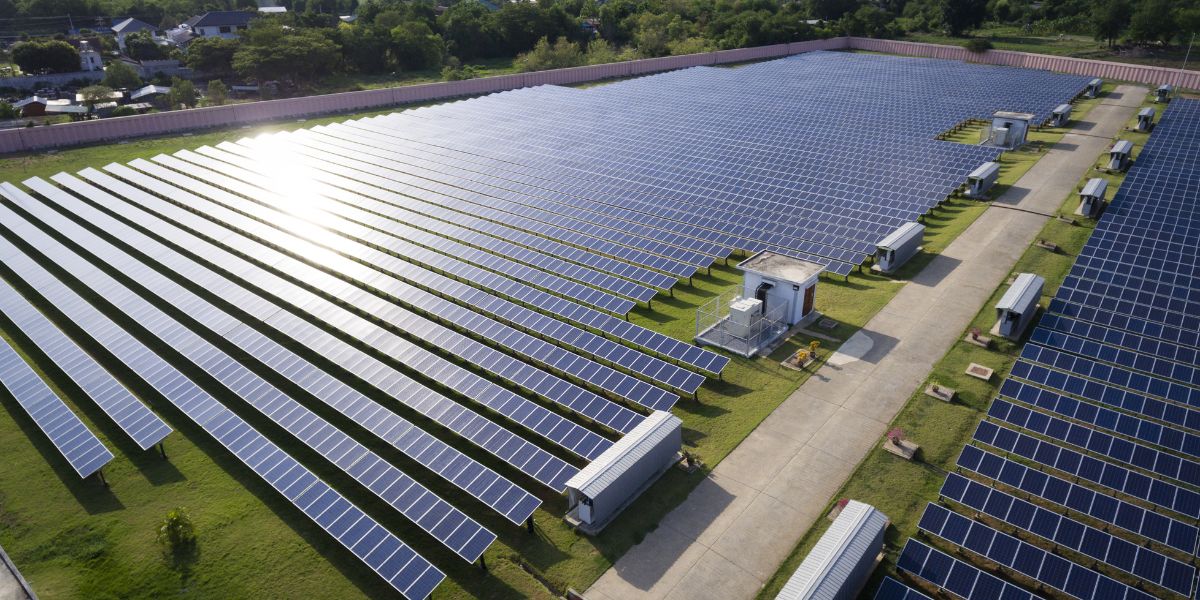
25kV Cable's Role in Renewable Energy Installations
Solar farms and wind installations use 25kV cable extensively for their power collection systems that gather electricity from distributed generation sources and consolidate it for transmission to the grid. These projects buy cable by the mile, not by the foot, which fundamentally changes the economics and makes them extremely price-sensitive. However, they're also rigorously specification-critical because the cables are often direct-buried in trenches or installed in harsh outdoor environments where they're exposed to temperature extremes, moisture, UV radiation, and potential mechanical damage.
Typical Specifications for Renewable Projects: You'll generally see 25kV cable specified with either MV-90 or MV-105 temperature ratings, XLPE insulation (cost-driven choice since flexibility isn't as critical for outdoor installations with generous bending radii), aluminum conductors (again cost and weight driven since these projects need thousands of feet), copper tape shield, and typically single conductor configuration rather than multi-conductor. These projects also frequently specify UV-resistant outer jackets and moisture-blocking features in the cable design because the cable might sit on outdoor reels exposed to the weather for weeks before the installation crew gets to that section of the project.
The Inventory Challenge: Renewable energy projects order cable in genuinely large quantities, typically 20,000 to 100,000 feet for a single solar farm or wind installation, with delivery windows that are tightly tied to the overall construction schedule. They want aggressive volume pricing because of the quantities involved, but they typically won't commit to taking ownership of inventory months in advance. They want you to hold the risk of inventory until they're ready to install, which creates challenges for distributors who don't have access to master distributor stock.
This is precisely where your ability to source from a master distributor who maintains strategic stock of 25kV cable in multiple configurations becomes critical to winning these projects. You can commit to delivery schedules and pricing that makes sense because you're pulling from existing inventory rather than trying to convince a manufacturer to produce a special run.
Campus Utility Distribution uses 25kV Medium Voltage
Universities, hospital complexes, and large industrial campuses use 25kV medium voltage cable to distribute power between buildings across their facilities without incurring the massive expense of building multiple substations throughout the campus. These projects are typically designed by consulting engineering firms who write detailed specifications months in advance as part of the overall campus master plan, which means you as the distributor have time to prepare and plan your procurement. But it also means the specifications are essentially non-negotiable because they've been reviewed, approved, and permitted through multiple layers of institutional bureaucracy.
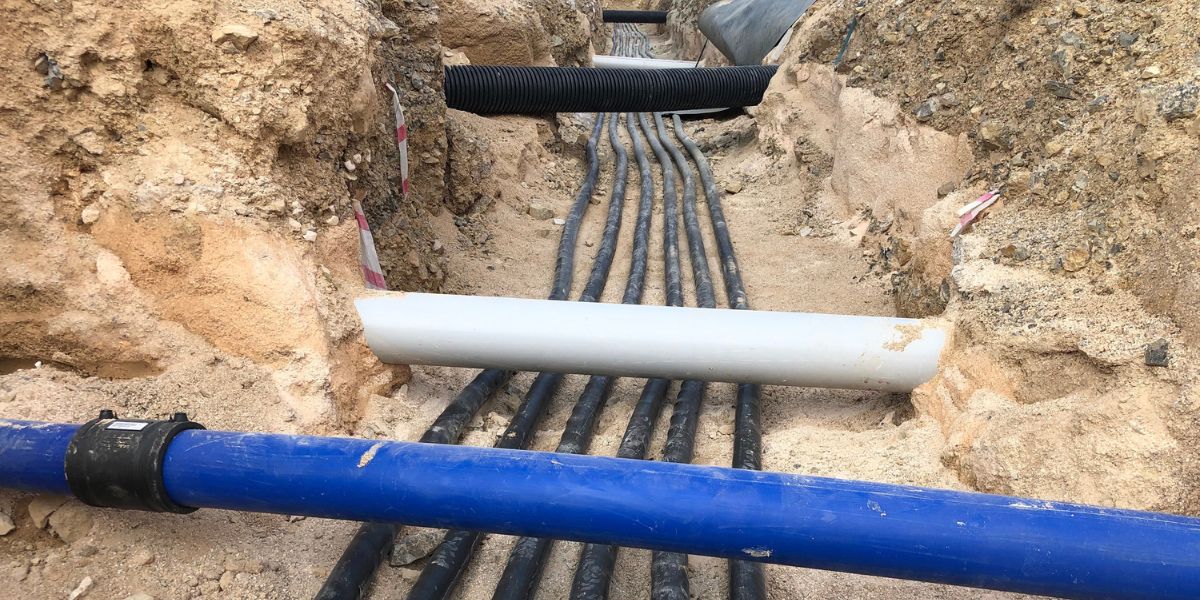
Typical Specifications for Campus Projects: You'll commonly see 25kV MV-105 specified, EPR insulation (flexibility matters because these cables often get pulled through existing underground duct banks that have multiple bends and limited space), copper conductors (reliability and termination simplicity trump cost savings on institutional projects), copper tape shield, and either three-conductor cable or individual single conductors depending on the specific conduit layout and the engineer's preferences.
Campus projects also invariably require extensive accessories beyond just the cable itself. The contractor needs termination kits for every cable end, loadbreak elbows for connections to switchgear and transformers, deadbreak connectors for isolating sections, splicing kits for joining cable sections, and all the associated grounding equipment. This represents an opportunity for you as a distributor if you're paying attention.
The Accessory Opportunity: Campus distribution projects represent a significantly higher total margin opportunity compared to commodity cable sales because the contractor needs the complete electrical system, not just spools of cable. When you're quoting the cable for a campus project, proactively quote the termination kits, the T-body elbows, the grounding equipment, and all the accessories they're going to need. Your contractor customer will genuinely appreciate the one-stop shopping convenience because it saves them from having to source components from multiple vendors and worry about compatibility. You capture more of the total project value, and you build a stronger relationship because you're solving more of their problems. That's how you create sticky customer relationships that survive price competition.
The Inventory and Lead Time Problem: Why Master Distribution Matters
Here's the uncomfortable truth about 25kV medium voltage cable that most distributors discover the hard way: the vast majority of cable manufacturers don't stock it as a standard inventory item. It's universally considered a "build-to-order" product with typical lead times of 8-12 weeks from order placement to delivery. For standard industrial construction projects with long planning horizons and predictable schedules, that lead time is certainly manageable if you plan ahead. For data centers driving 92.8% year-over-year construction growth, for emergency repair situations where critical infrastructure has failed, or for fast-track construction projects with compressed schedules, those 8-12 week lead times are an absolute deal-killer that eliminates you from bidding consideration.
The Manufacturer Reality: Cable manufacturers optimize their production planning and inventory management around their highest-volume products, which are typically 600V building wire products like THHN and medium voltage cables at the 15kV level for standard industrial applications. These high-volume products run constantly through the factory, and manufacturers maintain significant finished goods inventory because they know there's consistent demand.
When you place an order for 25kV cable, particularly if you're ordering what the factory considers an uncommon configuration, the manufacturer adds your order to a production queue. If you happen to order a particularly unusual specification combination (like 25kV with wire shield and aluminum conductors in an odd size), you might literally be waiting for the factory to schedule the next production run of that specific design, which could easily be several months away depending on what other orders are ahead of you in the queue.
The factory has no incentive to maintain inventory of lower-volume specialty products because inventory ties up their working capital. They build to order, which optimizes their business model but creates massive problems for distributors and contractors who need cable quickly.
The Master Distributor Solution: This fundamental mismatch between manufacturer inventory strategies and market demand is precisely why the master distributor business model exists and why it creates genuine competitive advantage. Companies like DWC make strategic decisions to hold inventory of 25kV cable in the most common and frequently specified configurations: both copper and aluminum conductors, both EPR and XLPE insulation types, both tape shields and wire shields, in conductor sizes ranging from 1/0 AWG through 750 kcmil. The inventory investment is substantial, but it creates the ability to serve distributor customers immediately rather than in twelve weeks.
When your contractor calls on Monday morning in somewhat of a panic because they just found out they need 3,500 feet of 25kV cable on site by Friday for a project that's part of the $25.5 billion pipeline expected to break ground before year-end, you're not calling a factory and begging them to expedite an order. You're checking real-time inventory through fastQuote, confirming availability, and committing to a ship date. That's a fundamentally different conversation, and it's the conversation that wins the business.
The Hidden Cost Savings Beyond Speed: Beyond the obvious advantage of speed and availability, master distributors eliminate the punitive charges and fees that manufacturers routinely levy on smaller orders and non-standard configurations. These hidden costs eat into your margin on medium voltage projects if you're not careful about understanding the total cost structure.
Cut charges are fees that manufacturers charge for cutting cable to non-standard lengths. If you order 3,847 feet instead of a full factory reel length, they charge you for the labor and hassle of interrupting production to cut cable. Reel charges are deposits or fees for the returnable reels that cable ships on, which creates administrative hassle and ties up your working capital until you manage to return the reels in acceptable condition. Minimum order quantities force you to order more cable than your project actually needs, leaving you with remnant inventory that might sit in your warehouse for months trying to find a home.
DWC's master distributor model eliminates cut charges and reel charges entirely, which means you can quote projects aggressively based on the actual cable cost without having to pad your pricing to cover these hidden fees. Whether your contractor needs exactly 847 feet or wants to purchase a full 5,000-foot reel, the per-foot pricing is consistent and transparent. Similarly, reels are yours to keep or dispose of however you prefer. No deposit paperwork, no return logistics, no hassle tracking reels through your system.
How to Quote and Sell 25kV Projects: A Commercial Playbook
Quoting medium voltage cable requires a fundamentally different approach and mindset compared to quoting building wire, 5kV medium voltage or even standard 15kV industrial cable. The financial stakes are higher for everyone involved, the technical specifications are more complex with less room for error, and the risk your contractor customer is taking is substantially greater. Here's how to position yourself as the trusted technical advisor and problem-solver rather than just another distributor taking orders and quoting prices.
Step 1: Qualify the Application Before Quoting
When a contractor calls asking for "25kV cable," resist the natural urge to immediately ask "how many feet do you need?" and jump straight into pricing mode. That approach positions you as a commodity order-taker competing purely on price. Instead, invest three minutes in asking diagnostic questions that help you genuinely understand the project, the application, and the constraints your contractor is working under:
What's the end application for this cable? Is this a data center, a solar farm, a campus distribution project, or an industrial plant expansion? This single question tells you immediately whether speed or cost is the primary driver, what the risk tolerance is for specification changes, and how you should think about pricing strategy. With data centers now representing such a significant portion of economic growth and with construction spending heavily concentrated in specific Southern states, knowing the application helps you anticipate both the urgency level and whether there's any flexibility in the specifications.
What's the installation method? Will the electricians be pulling this cable through conduit, direct burying it in trenches, or installing it aerially on poles? This information determines whether EPR's flexibility advantage matters enough to justify its higher cost, or whether XLPE's cost savings make more sense because installation conditions don't demand flexibility.
What's the project timeline? If they need cable on site in two weeks for a project that's part of the 39 late-stage data centers expected to break ground in the coming months, inventory availability and delivery speed become dramatically more important than getting the absolute lowest price per foot. If it's a six-month project with a comfortable schedule, you have time to source competitive pricing and optimize your procurement strategy.
Who's the engineer of record? If it's a national engineering firm that specializes in data center design, their specifications are going to be detailed, rigorous, and essentially non-negotiable. If it's a local consulting engineer doing a one-off campus project, there might be flexibility to suggest value engineering alternatives that save money without compromising performance.
These diagnostic questions take perhaps three minutes of conversation, but they transform you from a commodity order-taker into a valued problem-solver and consultant. Your contractor will remember the distributor who asked smart, relevant questions that demonstrated genuine understanding of their situation, not the distributor who just said "how many feet and when do you need it." For more information on how to quote medium voltage cable, we have an article for that!
Step 2: Confirm the Specification in Writing
Medium voltage specification mistakes are expensive to fix and painful for everyone involved. A wrong insulation type, an incorrect shield configuration, or a conductor material mismatch can easily cost thousands of dollars to correct and delay the project by weeks while waiting for replacement cable. After your initial diagnostic conversation with the contractor, send a brief email that confirms the exact specification in writing:
"Per our conversation this morning, you need 5,000 feet of 25kV cable with the following specifications: MV-105 EPR insulation, 500 kcmil copper conductor, copper tape shield, three-conductor configuration. Delivery required to the jobsite by [specific date]. I'll have detailed pricing and availability confirmation to you by end of business today."
This written confirmation serves two distinct purposes. First, it protects you legally and commercially if the contractor later claims they specified something different or if there's a dispute about what was ordered versus what was delivered. Having the specification confirmed in writing before you quote eliminates most of those potential conflicts. Second, and perhaps more importantly, it demonstrates professionalism and attention to detail that builds confidence in your ability to handle complex technical orders correctly. The contractor sees that you're careful, thorough, and committed to getting the details right, which makes them more comfortable giving you their business on high-stakes projects.
The DWC Difference: Why Master Distribution Solves the 25kV Challenge
Every distributor in your market has access to the same manufacturers, can call the same factories, and can theoretically source the same products. The question that separates winners from losers isn't access to manufacturers. The question is whether you have access to inventory when your contractor customer actually needs it, and whether you can deliver that inventory with the speed and reliability that modern construction schedules demand. This is where the master distributor relationship fundamentally changes the competitive game and gives you capabilities that your competitors simply cannot match.
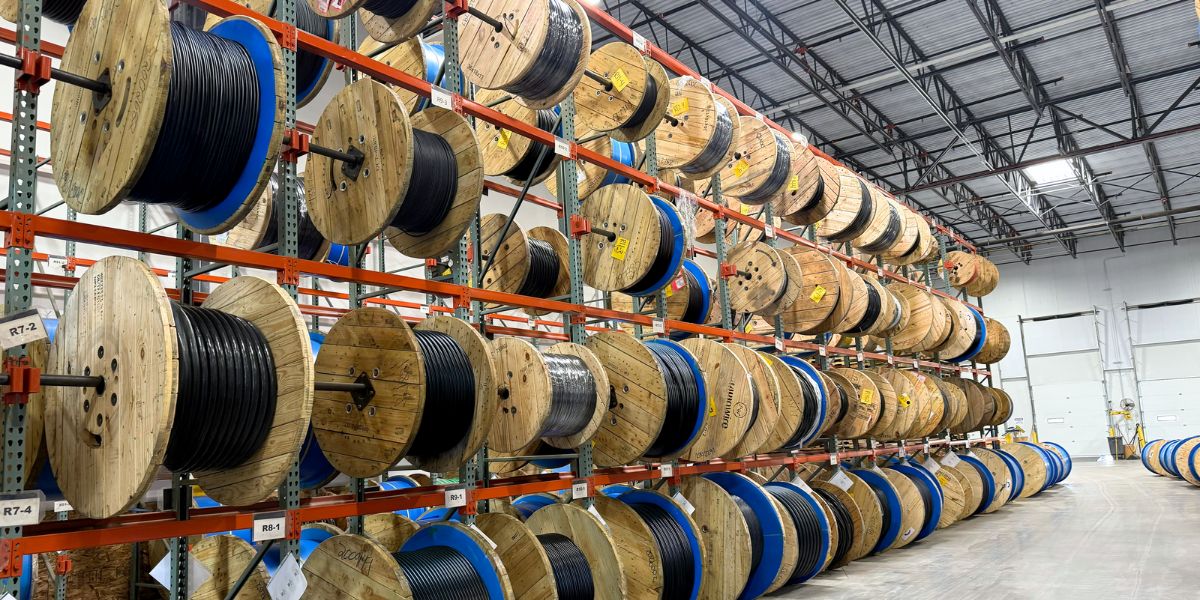
Stock Availability: DWC maintains strategic inventory of 25kV cable in the configurations that data centers, renewable energy projects, and industrial campuses actually specify in the real world. When you log into fastQuote to check availability and pricing, you're seeing real-time inventory that physically exists on reels in a warehouse, not a factory's promise to build it in 10 weeks if their production schedule allows. If the system shows 10,000 feet available of a specific configuration, that cable exists right now and can ship today if you need it today.
This inventory strategy requires substantial capital investment on DWC's part, but it creates genuine competitive advantage for distributors who partner with us. You can make commitments to contractors with confidence because you're not dependent on factory production schedules and hoping nothing goes wrong in the manufacturing process.
No Cut Charges, No Reel Charges: Cable manufacturers charge cut fees because cutting cable to non-standard lengths interrupts their production workflow, leaves them with odd-length remnants that are harder to sell, and creates complexity in their operations. From their perspective, these fees make business sense. From your perspective as a distributor trying to win business, these fees create margin pressure and make you less competitive.
DWC's master distributor model absorbs these costs as part of our service to distributors because our business exists to serve your needs, not to maximize factory efficiency. Whether your contractor needs exactly 847 feet, wants 3,247 feet, or plans to purchase a full 5,000-foot reel, the per-foot pricing is consistent and transparent. No hidden fees, no surprises when the invoice arrives.
Similarly, reel deposits and return logistics completely disappear. You order cable, we ship it on reels, and your contractor keeps the reels or disposes of them however they prefer. No paperwork, no deposits, no hassle tracking reels through your system and coordinating returns. It's a small detail that eliminates administrative friction and makes your life easier.
Conclusion: Positioning Yourself as the 25kV Expert
The 25kV medium voltage market is growing faster than virtually any other cable category thanks to data centers, renewable energy infrastructure, and critical power investments across multiple market segments. The numbers tell a compelling story that should inform your business strategy: $32.9 billion in data center construction through September 2025 representing 92.8% year-over-year growth, 149 facilities that have already broken ground with another 39 projects worth $25.5 billion expected to start construction by year-end, and hyperscaler capital expenditures approaching $400 billion annually.
But these aren't just interesting construction industry statistics to read about in trade publications. These numbers represent 92% of U.S. GDP growth concentrated in markets and applications where electrical distributors who genuinely understand medium voltage specifications and can deliver with speed and certainty can capture significant market share and build lasting competitive advantage.
For electrical distributors, this market opportunity represents both tremendous upside potential and genuine challenges that separate winners from losers. The opportunity is that these projects are large in scope, profitable in margin, and create repeat customers once you prove you can deliver correctly. When you become the distributor who handles complicated medium voltage projects correctly the first time, contractors remember that competence and they call you first on subsequent projects. That's the reputation that builds long-term profitable relationships.
The challenge is that 25kV projects don't tolerate mediocrity or mistakes. The contractor needs the right specification confirmed in writing before you quote, they need rock-solid availability confirmation rather than vague promises, and they need reliable delivery that actually happens when you say it will happen. They don't have time for mistakes, they don't have patience for excuses, and they have multiple distributors competing for their business who promise they can deliver.
By genuinely understanding the applications driving 25kV demand, mastering the technical specifications that actually matter to your contractor customers and knowing which ones allow flexibility, and solving the inventory and logistics challenges that separate winning quotes from losing ones, you position yourself as the distributor who gets the complicated projects done correctly. That's the market reputation that builds long-term relationships and protects margin even when competitors are desperately discounting to buy business.
When the next 25kV project lands on your desk tomorrow morning, use fastQuote to check real-time availability and get immediate pricing, take the time to confirm the specifications with your contractor in writing before you quote, and deliver the cable when they actually need it rather than when it's convenient for a factory. That's how you become the first call for every medium voltage project in your territory, and that's how you build a business that captures this enormous growth opportunity.
Ready to quote your next 25kV project? Log into fastQuote for instant pricing and real-time availability confirmation, or contact your DWC Account Manager for technical support on complex specifications or challenging applications. We're here to help you win.