5 Critical VNTC Specifications Every Distributor Must Master
Written By: Craig Keller
Posted January 19, 2026

The call came in at 4:47 PM on a Friday—every distributor's favorite time for urgent technical questions.
"I need 500 feet of VNTC for a wastewater plant upgrade," the contractor said. "It has to be suitable for exposed runs between buildings, and it's going into a Class I, Div 2 area. Can you get me pricing by Monday?"
The distributor sales rep, confident from years of selling standard building wire, quoted basic VNTC. He knew it was rated for Class I, Div 2, so he thought he was covered. Three days later, the contractor called back—not to place the order, but to explain why he'd gone with the competition.
The cable quoted wouldn't meet the exposed run requirements. The job needed TC-ER rated cable, a distinction that would've added about 15% to the cost but secured a $12,000 order. The competitor won the business because they knew that TC-ER allows a contractor to eliminate the conduit entirely, saving thousands in labor.
This scenario plays out hundreds of times each year across electrical distribution. VNTC tray cable, despite being one of the most versatile industrial cables available, remains one of the most frequently mis-specified products in the industry. The difference between winning and losing these sales often comes down to understanding five critical specifications that determine not just what cable to quote, but whether your customer's installation will pass inspection, survive the environment, and keep their facility running.
Tray Cable History: The Evolution from "Good Enough" to Precisely Specified
In the 1970s, specifications were simple: cable either was or wasn't rated for a tray. Following a series of industrial accidents in the 1980s, insurance companies and the NEC (Article 336) introduced stricter testing. Today, UL protocols separate cables that can merely sit in a tray from those that can survive exposed runs, direct burial, and hazardous locations.
Today's VNTC specifications represent four decades of field experience, failure analysis, and code evolution compressed into a product category that can seem deceptively simple. When a contractor asks for "tray cable," they might need any one of dozens of specific configurations, each with distinct specifications that determine its suitability for the application. Your ability to navigate these specifications determines whether you're seen as a valuable technical resource or just another wire vendor.
Specification #1: The Construction Code That Tells the Whole Story
Every VNTC cable carries a construction designation that acts like DNA for the product. Understanding this alphanumeric code transforms you from order-taker to technical advisor in seconds.
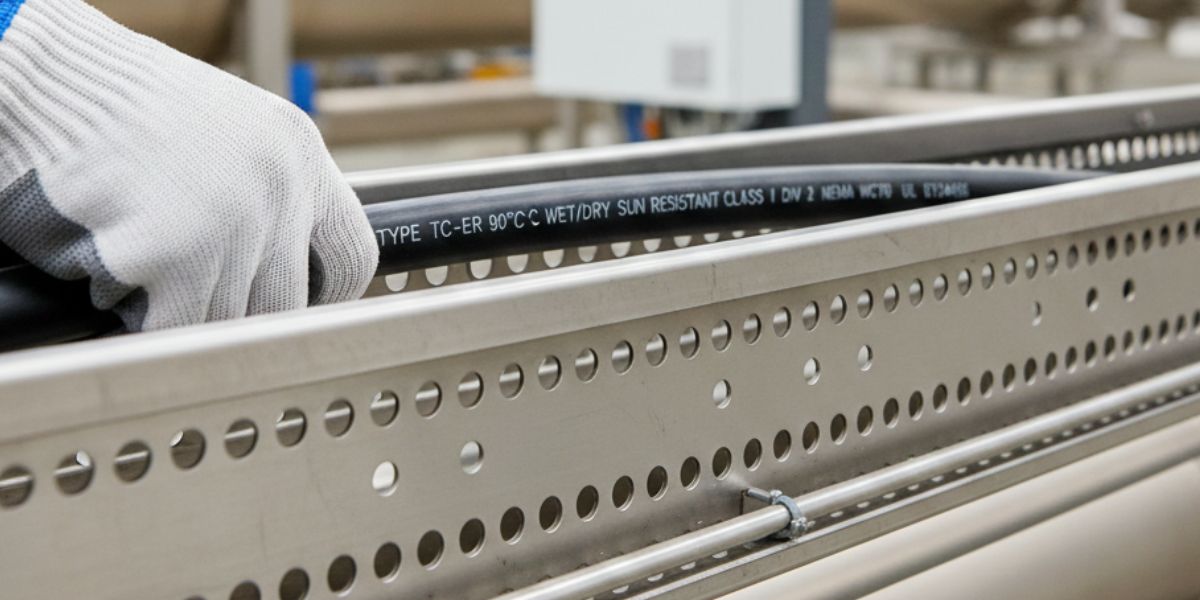
Consider "VNTC-12-4C-PVC/NYL/PVC-GND” or "VNTC-12-4C-THWN-2-GND." To the uninitiated, it's alphabet soup. To the prepared distributor, it's a complete installation roadmap. The "12" indicates AWG size—critical for ampacity calculations. The "4C" means four conductors—essential for control circuits. The "PVC/NYL/PVC" or "THWN-2" reveals the insulation and jacket system—PVC insulation, nylon jacket over each conductor, and overall PVC jacket. This combination provides the abrasion resistance required for pulling through tray systems while maintaining flexibility for routing through equipment connections.
But here's where distributor knowledge becomes money: understanding what's NOT in that designation. The absence of an armor indicator (-AL or -STA) tells you this cable isn't suitable for certain direct burial applications. Missing a -SHLD notation? No electromagnetic interference protection. These absences matter as much as what's present.
A Midwestern distributor recently shared how construction code mastery saved a massive food processing plant project. The contractor initially requested "12-gauge, 4-conductor tray cable" for a conveyor control system upgrade. By asking about the routing path, the distributor discovered the cable would pass through areas with significant VFD interference. The solution? VNTC with -SHLD designation for shielded conductors. The contractor hadn't considered EMI protection, but addressing it proactively prevented callbacks, earned trust, and led to the distributor winning the plant's standardization contract for all control cable.
The construction code also reveals critical details about flexibility and installation ease. Cables with stranded conductors (Class B or C stranding) pull easier through complex tray layouts than solid conductors. The difference might seem minimal on paper, but when an installer is pulling 300 feet through multiple 90-degree bends on a Saturday overtime shift, that flexibility translates directly to labor savings your contractor customers will remember.
TC Specification #2: Temperature Ratings and the Hidden Installation Advantages
Temperature ratings on VNTC cables create more confusion—and lost sales—than perhaps any other specification. The standard 90°C rating seems straightforward until you realize it encompasses three different critical temperatures: maximum conductor operating temperature, emergency overload rating, and ambient installation temperature range.
Here's the expensive mistake distributors make when quoting standard 90°C VNTC tray cable for installations that seem routine but aren't. A paper mill in Georgia learned this lesson when its new VNTC installation failed within six months. The cable was rated for 90°C, which seemed adequate for their 75°C maximum operating temperature. But they hadn't accounted for solar loading on exposed runs across the roof, where black cable jackets in direct sunlight pushed surface temperatures well beyond ratings.
Smart distributors know how to probe deeper. When a customer mentions outdoor installation, the conversation shifts to sunlight-resistant compounds. References to "near steam lines" or "boiler rooms" trigger questions about actual ambient temperatures versus operating temperatures. One Southeast distributor developed a simple checklist that helped counter staff identify when to recommend 105°C or even 125 °C-rated cables. This attention to detail helped them capture the entire cable specification for a regional utility's substation standardization program.
The temperature rating also affects ampacity calculations in ways that create competitive advantages for knowledgeable distributors. NEC Table 310.15(B)(16) shows how ampacity increases with temperature rating, but here's what many miss: even if the connected equipment is only rated for 75°C terminations, using 90°C cable allows for ampacity correction factors that might permit smaller conductor sizes in high-ambient-temperature installations. A distributor who can walk a contractor through this calculation, showing how #10 AWG 90°C cable might work where they assumed they needed #8 AWG, doesn't just save them money—you become their trusted technical resource.
Temperature specifications also encompass cold-weather performance, often overlooked until installation day. Standard PVC-jacketed VNTC becomes stiff and prone to cracking below 40°F. For installations in northern climates or cold storage facilities, you need to understand when to recommend cables with special cold-bend compounds or thermoplastic elastomer (TPE) jackets that remain flexible to -40°C. The distributor who asks, "What time of year will this be installed?" demonstrates expertise that contractors remember when choosing where to source their next project.
Tray Cable Specification #3: The TC-ER Rating That Changed Everything
No single specification advancement has impacted VNTC sales more dramatically than the TC-ER (Tray Cable - Exposed Run) rating introduced in the 2005 NEC. Understanding this rating—and more importantly, when to recommend it—separates professional distributors from mere order-takers.
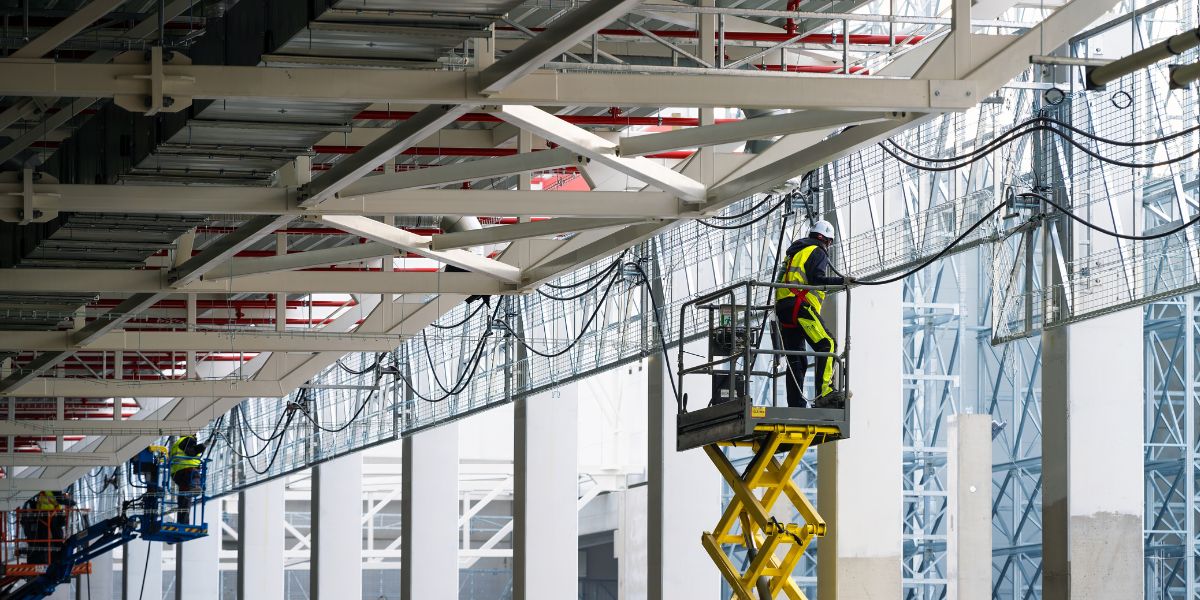
Before TC-ER, contractors faced an expensive choice: run cable in tray where possible, then transition to conduit for any exposed runs between trays or equipment. This meant additional materials, labor for conduit installation, and junction boxes at every transition point. TC-ER cables, with their enhanced crush and impact resistance, eliminated these transitions for runs under specific conditions, saving thousands in installation costs.
But here's the critical knowledge that wins sales: TC-ER isn't just one rating. It encompasses multiple test criteria, including crush resistance (1000 lbs./ft for cables over 4 AWG), impact resistance (150 ft-lbs), and sunlight resistance for outdoor use. When a contractor says they need "exposed run cable," the prepared distributor asks: "What's the installation environment? How long are the exposed runs? Will it see direct sunlight?" These questions position you as a technical partner, not just a price source.
A Texas distributor recently demonstrated the value of TC-ER expertise during a refinery expansion project. The contractor initially requested standard VNTC for the entire installation, planning to use conduit for exposed runs. The distributor calculated that switching to TC-ER cable would eliminate 400 feet of rigid conduit, 14 junction boxes, and approximately 80 man-hours of installation time. The TC-ER cable cost 18% more per foot, but the total installed cost savings exceeded $15,000. The contractor not only bought the cable but also made that distributor their primary electrical supplier for the remainder of the project.
Understanding TC-ER also means recognizing its limitations. The exposed run provisions typically limit unsupported spans to 50 feet and require specific support spacing. Cables must be larger than 18 AWG, and installations must avoid areas subject to physical damage. The distributor who knows these restrictions prevents callbacks and positions themselves as the expert who keeps contractors out of trouble with inspectors.
Tray Cable Specification #4: Hazardous Location Approvals and the Premium Sale Opportunity
Hazardous location ratings for VNTC cables represent one of the most profitable specification categories for distributors who understand them. The complexity that scares away casual sellers creates margin opportunities for those who master the details.
Class I Division 2 (CID2) approval stands as the most common hazardous location specification for VNTC. This rating permits cable use in areas where flammable gases or vapors might occasionally be present, but aren't under normal conditions. However, you must be the gatekeeper: VNTC is never for Division 1.
Think petroleum refineries, chemical plants, and natural gas facilities. But here's what separates professional distributors from amateurs: understanding that CID2 approval requires specific cable construction, including gas-blocked conductors and special compounds that won't propagate flame.
The story of a Gulf Coast distributor illustrates the profit potential in hazardous location expertise. When Hurricane Harvey damaged multiple petrochemical facilities, emergency repairs required immediate cable replacement. While competitors scrambled to identify which products met Class I Division 2 requirements, this distributor had already mapped their entire VNTC inventory by hazardous location ratings. They could instantly quote appropriate cables, guarantee code compliance, and command premium pricing during the critical recovery period. Their expertise in hazardous location specifications generated six months' worth of typical margin in just three weeks.
But hazardous location specifications extend beyond the obvious CID2 applications. Class II locations involve combustible dusts — grain elevators, flour mills, plastic processing facilities. Class III addresses ignitable fibers and flying found in textile mills and woodworking facilities. Each classification requires specific cable characteristics. The distributor who can navigate these requirements doesn't just quote cable; they become an indispensable partner in facility safety and code compliance.
Understanding hazardous location specifications also reveals upselling opportunities. A contractor requesting CID2-rated VNTC might not realize they also need special cable glands, sealed fittings, and proper grounding methods. The distributor who provides this complete system knowledge transforms cable sales into a comprehensive solution sale with significantly higher margins and stronger customer relationships.
Tray Cable Specification #5: Direct Burial Ratings and the Installation Method Revolution
Direct burial capability in VNTC cables represents the specification that most frequently surprises contractors—and creates the greatest opportunity for distributor differentiation. While many assume tray cable belongs exclusively in trays, modern VNTC cables with direct burial ratings have revolutionized installation methods across industrial facilities.
The specification itself seems simple: cables must pass specific crush, impact, and moisture resistance tests to earn a direct burial rating. But understanding when and how to apply this specification transforms routine quotes into value-engineered solutions. Consider a water treatment plant expansion where the original specification called for tray cable in above-ground trays for a 300-foot run between buildings. The prepared distributor asks about frost lines, traffic patterns, and future expansion plans. Often, direct burial VNTC proves more economical than the tray system itself, especially when factoring in supports, covers, and installation labor.
A Pennsylvania distributor recently leveraged direct burial expertise to win a mining operation's complete electrical standardization contract. The mine had experienced repeated failures with standard VNTC in wet locations, despite running it in supposedly watertight trays. By recommending direct burial-rated VNTC with enhanced moisture resistance, the distributor solved a persistent problem. The cable cost 25% more, but eliminating water-related failures saved the mine thousands in downtime and replacement costs. More importantly, it established the distributor as the technical expert for all future cable specifications.
Direct burial ratings also interact with other specifications in ways that create selection complexity—and sales opportunities. Armored cables (with -AL or -STA designations) automatically qualify for direct burial, but unarmored cables require specific jacket compounds and thicknesses. Understanding these interactions helps distributors guide customers toward optimal solutions. Sometimes, armored cable makes sense for direct burial. Other times, unarmored direct burial cable provides adequate protection at a lower cost and easier installation.
The specification becomes even more critical when combined with temperature cycling. Direct burial cables experience more extreme temperature variations than indoor installations, affecting long-term performance. Distributors who understand concepts like coefficient of thermal expansion and cold impact resistance can predict and prevent failures that competitors might not even consider. This expertise proves particularly valuable in regions with severe winters, where improper cable selection leads to spring failure epidemics as frost-heaved installations reveal cable damage.
Reading Between the Lines: How Tray Cable Specs Interact
The real expertise in VNTC specifications isn't understanding them individually; it's recognizing how they interact to determine total system performance. A cable might meet every individual specification but fail in combination. Consider a food processing facility requiring washdown-duty cable. The VNTC needs an appropriate temperature rating for steam cleaning, a direct burial rating for wet locations, and special jacket compounds that resist agricultural chemicals. No single specification captures these requirements; only understanding their interaction leads to proper selection.
This systems-thinking approach recently helped an Ohio distributor win a significant industrial bakery project. The contractor initially requested "standard 12-4 VNTC" for oven control circuits. Through systematic questioning, the distributor identified multiple overlooked requirements: high-temperature zones near ovens (requiring 105°C rating), washdown areas (needing moisture-resistant construction), and electromagnetic interference from VFD-controlled mixers (necessitating shielded cable). By addressing these interacting specifications proactively, the distributor prevented three potential callback scenarios and earned preferred vendor status for the bakery chain's future expansions.
The Price-Specification Balance: Managing Customer Expectations
Understanding specifications also means knowing when standard products suffice. Over-specifying costs sales are just as surely as under-specifying causes failures. The key lies in asking questions that reveal actual installation conditions versus assumed requirements.
A common scenario: contractors request TC-ER-rated cable "just in case" they have exposed runs. The prepared distributor asks specific questions: "How many exposed runs? What distances? Could standard VNTC with short conduit sleeves work instead?" Often, the cost difference between TC-ER and standard VNTC exceeds the cost of minimal conduit for short transitions. This consultative approach builds trust even when recommending lower-cost solutions.
Similarly, hazardous location ratings command significant premiums. When customers request CID2-rated cable, smart distributors verify actual area classifications. Many facilities have limited hazardous zones, with the majority of installations in ordinary locations. Recommending CID2 cable only where required, with standard VNTC elsewhere, demonstrates expertise while managing project costs. This balanced approach positions you as a partner focused on their success, not just maximizing sale value.
Turning Tray Cable Specifications into Competitive Advantage
The most successful distributors transform VNTC specifications from technical hurdles into competitive moats. They develop internal expertise, create customer education tools, and build a reputation as the go-to source for complex cable applications.
Consider developing a "VNTC Specification Checklist" for your sales team—a systematic guide to identify critical application requirements. Include questions about installation environment, temperature extremes, moisture exposure, hazardous area classifications, and mechanical stress factors. This tool ensures consistent technical selling across your entire team while building customer confidence in your expertise.
Create reference materials that translate specifications into practical benefits. Instead of listing "TC-ER rated," add an explainer: "Eliminates conduit for exposed runs up to 50 feet, saving approximately $45 per foot in installation costs." Rather than just noting "Class I Division 2 approved," add value such as "Suitable for petroleum refineries and chemical plants without expensive explosion-proof conduit systems." These translations help customers understand value beyond just meeting code requirements.
The Reputation That Specifications Build
In industrial distribution, reputation travels through informal networks faster than any marketing campaign. The contractor who discovers you prevented a costly specification error tells others at supplier council meetings. The engineer who learns you about hazardous location requirements recommends you for facility standardization. The maintenance manager who finds you stock the right temperature ratings for their harsh environment becomes your advocate across their industry network.
This reputation for specification expertise creates a powerful competitive moat. While competitors race to match your prices, customers choose you for the confidence that comes from working with true technical partners. They know you'll catch the specification issues that others miss, recommend the right products even when cheaper alternatives exist, and stand behind your recommendations when inspectors arrive.
Your Next Steps: Building Specification Confidence
Mastering VNTC specifications doesn't happen overnight, but it doesn't require an engineering degree either. Start by learning one specification deeply — perhaps TC-ER ratings, given their broad application. Understand not just what it means, but when it matters, how it saves money, and what questions reveal its necessity. Build from there, adding specifications as you encounter them in real sales situations.
Partner with manufacturers who provide specification support. The best VNTC suppliers offer more than just products. They provide application engineering, specification, verification, and technical documentation that reinforces your expertise. When you can confidently tell a customer, "Let me verify that specification with our engineering team," you demonstrate both competence and prudence that build lasting trust.
Most importantly, share specification knowledge across your team. The counter salesperson who asks about temperature requirements, the inside sales rep who confirms hazardous area classifications, the delivery driver who notices installation conditions, and each team member who understands specifications strengthen your competitive position.
Understanding Tray Cable Specifications is Your Path to Indispensability
In the world of industrial wire and cable distribution, products are increasingly commoditized while expertise grows ever more valuable. Your ability to navigate VNTC specifications—to understand not just what they mean but when they matter—transforms you from vendor to partner, from price quoter to problem solver.
The next time a contractor calls asking for "tray cable," you'll hear opportunity rather than just another quote request. You'll ask the questions that reveal true requirements. You'll recommend solutions that balance performance with economy. And you'll build the reputation that makes you indispensable to their success.
Because in the end, anyone can quote the VNTC cable. But only true distribution professionals can ensure it's the right cable, with the right specifications, for the right application. That expertise makes all the difference between losing sales to specification errors and building the customer relationships that drive sustained growth.
By mastering these five specifications, you become the technical expert that contractors and engineers depend on. You stop being a "price source" and start being a partner. When specialty material is handled with clarity and speed, it protects your margin and keeps the entire project scope anchored at your branch.
Ready to buy VNTC Cable? DWC is here to help. Get a FastQuote today on our wide lineup of VNTC and other high-spec tray cable solutions!