
XLP Tray Cable (Type TC-ER): The Industrial Distributor's Versatility Guide
Written By: Dave Povogal
Posted November 10, 2023
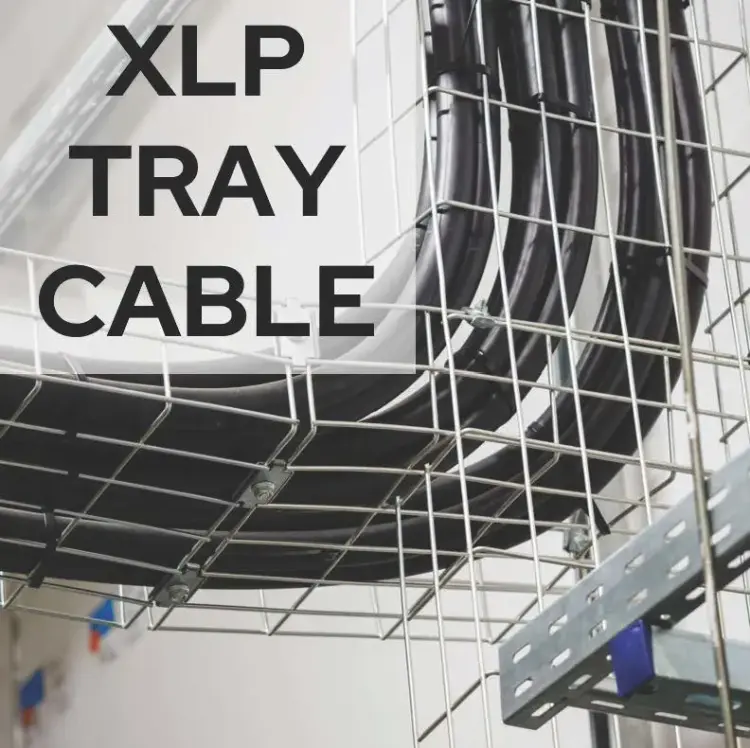
It's 2:14 PM on a Thursday, and the phone at the counter won't stop ringing. Your most reliable industrial contractor just landed a significant expansion at a water treatment facility he's been chasing for six months. He's excited, and in a bind. The original specs called for THHN in conduit, but the facility manager just called an audible. A significant portion of the control and power runs are moving to an outdoor overhead tray system exposed to direct sunlight, heavy moisture, and occasional chemical washdowns.
He needs 4,500 feet of something that can handle the transition from an indoor control room to that outdoor tray without a dozen transition boxes. He needs it by Monday.
That gap between what your contractor customer planned and what the job actually requires is where XLP tray cable earns its place in every distributor's specialty lineup. Understanding its ratings, construction, and code positioning lets your branch close industrial pivots like this without chasing four vendors or quoting a lead time that loses you the order.
What Is XLP Tray Cable and Why Does It Outperform Standard TC?
XLP tray cable is a 600V power cable listed to UL 1277 that uses cross-linked polyethylene (XLP) as the conductor insulation system, with a PVC outer jacket. The conductors are rated XHHW-2: 90°C in both wet and dry environments. That dual 90°C rating is the practical differentiator. Standard tray cable built on THHN/THWN-2 conductors carries a 90°C dry rating but drops to 75°C wet; a liability the moment a tray collects standing water, sits in a washdown zone, or runs through a cooling tower environment.
The UL 1277 listing covers the full tray cable family. The specific performance advantages of XLP insulation within that family come down to its thermoset construction and the TC-ER exposed-run rating explained in the sections below.
Key Features of 600V XLP/PVC Tray Cable (TC-ER)
Feature | Technical Benefit | Operational Value for Your Branch |
|---|---|---|
XLP Insulation (XHHW-2) | 90°C wet and dry rating | Eliminates wrong-product returns on wet-environment jobs |
TC-ER Rating | Exposed runs without conduit per NEC 336.10(7) | Reduces contractor labor cost; closes the sale faster |
PVC Jacket | Sunlight and chemical resistance | One SKU covers indoor, outdoor, and exposed runs |
Thermoset Construction | Won't melt or deform under sustained high heat | Protects your reputation when the inspector shows up |
XLP vs. XLPE: Same Material, Different Naming Convention
One of the most common specification questions from industrial accounts is whether XLP and XLPE are actually different materials. They are not. XLP and XLPE both refer to cross-linked polyethylene, produced through the same chemical process. The distinction is entirely a matter of which standards framework applies, not a difference in performance, chemistry, or suitability.
XLPE is the designation used in IEEE standards, medium-voltage cable specifications, and international markets. When a utility or industrial engineer specifies insulation for a 15kV or 25kV underground distribution cable, they call it XLPE. It appears in ICEA S-93-639, ICEA S-97-682, and IEC 60502. DWC's medium-voltage power cable lines carry XLPE insulation under that designation.
XLP is the trade designation that appears in the NEC and on UL-listed product markings for 600V-rated wire and cable. NEC Table 310.4(1) lists XLP as a conductor insulation type. When a manufacturer prints the legend on a tray cable reel, the call-out reads XLP or XHHW-2, not XLPE. UL 1277, the standard governing tray cable construction, follows this same convention.
The abbreviation feels like it should signal a meaningful difference; in other areas of cable specification, it does. EPR (ethylene propylene rubber) and XLP are two completely different insulation chemistries: EPR is more flexible, XLP is more rigid and abrasion-resistant. TR-XLPE (tree-retardant cross-linked polyethylene) is a modified formulation engineered to resist electrochemical treeing in medium-voltage direct burial, and it is a genuinely different product from standard XLPE. But XLP and XLPE? Same material, different naming convention.
For your branch, this matters most when a contractor or engineer hands over a spec sheet calling for XLPE insulation on a 600V tray cable run. No separate product needs to be sourced. The XLP tray cable in your inventory, with its XHHW-2 conductors rated 90°C wet and dry, is exactly what the spec requires.
What Is the TC-ER Rating and When Does It Apply?
Standard tray cable governed by NEC Article 336 must remain in a cable tray or raceway. The moment it exits the tray to reach a motor, control panel, or junction box, conduit protection is required. That transition adds labor, materials, and field coordination time at every single connection point.
Type TC-ER, the Exposed Run variant, changes that equation. Per NEC 336.10(7), TC-ER is tested for superior crush and impact resistance under UL 1277, allowing it to drop from the tray and run to equipment without conduit, provided it is supported and secured at intervals not exceeding six feet. On a bottling line with dozens of motor drops, or a water treatment facility with control runs transitioning from indoor to outdoor tray, that means your contractor eliminates conduit at every drop. The labor savings on a complex industrial project can run into the thousands of dollars; value your branch can point to directly when quoting against a competitor who is specifying conduit at every transition.
TC-ER is especially valuable in facilities where overhead trays run near motors, pumps, and control panels at regular intervals: bottling lines, water treatment systems, packaging equipment, and food processing facilities. In these environments, the ability to run cable exposed without conduit is the difference between a clean install and a conduit-fitting nightmare.
XLP vs. VNTC vs. FR-EP: Choosing the Right Tray Cable Construction
Not every industrial tray run requires XLP. Knowing when to specify it and when a less expensive construction is adequate is what separates a specialty expert from a parts fulfillment counter.
Construction | Insulation Type | Dry Rating | Wet Rating | Best Application |
|---|---|---|---|---|
THHN/THWN-2 Tray Cable (VNTC) | Thermoplastic | 90°C | 75°C | Dry indoor trays, general industrial |
XLP/XHHW-2 Tray Cable (TC-ER) | Thermoset | 90°C | 90°C | Wet locations, outdoor trays, washdown zones, refineries |
FR-EP/XHHW-2 Tray Cable | Thermoset | 90°C | 90°C | Petrochemical, refinery, PVC-restricted facilities |
VNTC (Vinyl Nylon Tray Cable) is the right choice for dry indoor tray systems with controlled ambient temperatures and no chemical exposure. It is lower cost and widely stocked. The risk comes when a contractor installs VNTC in a location where the 75°C wet limitation is exceeded: a cooling tower, an outdoor tray that accumulates water, or a washdown environment. When that cable eventually fails, the contractor calls you.
XLP tray cable solves the wet-location problem with its thermoset construction. Think of thermoplastic like chocolate: it can be melted, cooled into shape, and melted again if temperatures climb. Thermoset XLP is the hard-boiled egg: once cross-linked, the molecular structure is permanent. In an industrial tray where electrical loads or ambient temperatures run high, thermoplastic insulation can soften and deform, allowing conductors to migrate and cause a short circuit. The thermoset XLP insulation stays rigid.
FR-EP (FR-XLPE/XHHW-2) is the specification for facilities that restrict PVC entirely — a common requirement in refineries and petrochemical plants where PVC combustion products create additional hazard. The jacket is a non-PVC formulation; the insulation system delivers the same 90°C wet and dry rating as XLP. If your contractor's accounts include refineries or chemical processing facilities, this is the construction to know. DWC stocks it; most branch distributors do not carry it at all.
For a deeper look at how jacket and insulation chemistry interact across the tray cable family, the cable jackets vs. insulation guide covers the thermoplastic/thermoset distinction in detail.
Hazardous Location Use: What TC-ER Can and Cannot Cover
Industrial projects in Class I, Division 2 locations, such as refineries, chemical plants, and grain handling facilities, require careful specification. TC-ER cable is listed for use in Class I, Division 2 locations per NEC 336.10(7), provided it is installed in a manner consistent with the listing requirements and the specific hazardous location classification has been confirmed by the engineer of record.
This is not a blanket approval for all hazardous environments. Class I, Division 1 locations require a different solution, typically armored cable or cable specifically listed for Division 1 use. When your contractor's project involves a hazardous area classification, confirm the Division rating before specifying. TC-ER in a Division 2 location is a code-compliant solution; TC-ER in a Division 1 location is not.
For projects in facilities that restrict PVC entirely, common in many Division 2 refinery environments, route the specification to FR-EP/XHHW-2 rather than standard XLP/PVC tray cable.
Why Substituting VNTC for XLP Creates a Future Liability
In a rush to fill a specialty order, it's tempting to substitute VNTC when XLP is specified. This is where a lack of technical nuance costs the branch.
VNTC is thermoplastic; XLP is thermoset. In a high-ambient-heat environment or a washdown area, VNTC can soften and deform. If your counter team provides standard tray cable when the job demands the thermal and moisture performance of XLP, the resulting field failure lands back on you, not the manufacturer, not the contractor. The inspector knows what was specified. So does the general contractor reviewing the RFI log.
The second failure mode is the wet-rating gap that many distributors don't catch until it's too late. A cable rated 90°C dry and 75°C wet is technically out of spec the moment it's energized in a cooling tower tray or a refinery washdown area. The XHHW-2 conductors inside the XLP tray cable carry 90°C in both wet and dry environments, closing that loophole entirely.
The Hidden Costs of Sourcing Specialty Tray Cable the Traditional Way
Industrial tray cable orders fail at the branch for predictable reasons, and most of them have nothing to do with the cable itself.
The lead time problem. Going direct to the manufacturer produces a six-week lead time on specialty conductor counts because the factory schedules production runs weeks in advance. The minimum order is 2,000 feet when the contractor needs 650. Buying to the minimum puts 1,350 feet of slow-moving inventory on your shelf. Saying no loses the contractor to the branch across town.
The cut charge tax. Traditional master distributors have the stock but charge a cut fee for anything that isn't a full master reel. Four separate runs of 150 feet of 10/3 XLP tray cable can generate hundreds of dollars in cut fees before freight. By the time the charges add up, the margin that justified taking the specialty order is gone.
The result at most branches is either an over-priced quote that loses to a competitor, or an under-informed substitution, VNTC quoted where XLP was specified, that comes back as a field failure or a return.
How DWC Removes the Sourcing Risk
DWC operates seven Cable Distribution Centers (in Houston, Dallas, Kansas City, Greenville, Columbus, Seattle, and Denver), stocked with specialty tray cable inventory so your branch does not have to carry it. The model is straightforward: your contractor has a specialty requirement, you source it through DWC, and you hold your margin without holding the inventory.
No cut charges. DWC does not charge per cut. If the BOM calls for 1,245 feet of 10 AWG 3-conductor XLP tray cable, that is exactly what ships. No reel minimums, no rounding, no scrap cost passed to the contractor. Your cost is predictable to the foot before you quote.
fastQuote portal. Submit a BOM and get pricing back in minutes. On industrial projects where the contractor is collecting multiple quotes simultaneously, being first back with a firm number and a confirmed ship date is often the entire margin between winning the order and watching it go elsewhere.
The DWC services page covers cut-to-length, custom striping, dyeing, twisting, and cable management options that come up regularly on specialty industrial specs.
Three Qualification Questions for Every XLP Tray Cable Order
Your counter team does not need to be engineers to close specialty tray cable orders consistently. Three questions at intake identify whether the standard THHN-based tray cable is adequate or whether XLP and TC-ER are the right call.
1. Does any part of the run happen outdoors or in a wet environment? If the tray passes through a wet area, an outdoor section, or a washdown zone, the 75°C wet limitation on THHN/THWN-2-based tray cable becomes a liability. XLP's XHHW-2 conductors carry the 90°C wet rating needed to keep that installation code-compliant for the life of the cable.
2. Will the cable leave the tray to connect directly to motors, panels, or equipment? If yes, the TC-ER rating eliminates conduit runs at each transition point, reducing your contractor's labor cost on every equipment connection. TC-ER support intervals, not to exceed six feet per NEC 336.10(7), need to be factored into the contractor's hanging plan.
3. Are there chemical exposure, high-ambient-heat, or hazardous area requirements? Facilities that restrict PVC require the FR-EP construction. Class I, Division 2 areas require confirmation of TC-ER listing applicability. High-ambient environments where thermoplastic insulation is a failure risk call for thermoset XLP. If the answer is yes, that project warrants a conversation with your DWC account manager before the quote goes out.
These three questions, worked into the standard intake process, protect your branch from the two most common specialty cable failures: under-specifying for the environment and over-ordering for the footage. For the full picture of how specialty cable handling affects branch margin, the tray cable stocking strategy guide covers the numbers.
XLP Tray Cable in Practice: A Midwest Food Processing Upgrade
A distributor in the Midwest was working with a contractor on a food and beverage processing plant upgrade; motor leads, control wiring for a new bottling line, and power distribution for an outdoor refrigeration unit. The original BOM called for multiple wire types from three vendors, each with its own minimums and shipping schedules.
As the project developed, the contractor identified that high-pressure hot water washdown cycles would expose the cable to conditions beyond the 75°C wet rating of the original specification.
The distributor consolidated most of the BOM through DWC into a single product: 600V Type TC-ER tray cable with XLP insulation and a PVC jacket. The thermoset construction handled the washdown heat. The TC-ER rating lets the contractor drop directly from the overhead tray to the bottling line motors without a conduit at each connection point.
Product | Footage |
|---|---|
12 AWG 4-conductor XLP TC-ER | 3,500 ft |
10 AWG 3-conductor XLP TC-ER | 1,200 ft |
4 AWG 3-conductor with ground XLP TC-ER | 800 ft |
DWC returned pricing within hours. No cut charges meant the distributor quoted exact footage and held their margin. The contractor saved approximately $3,200 in scrap costs from not rounding to reel minimums. The distributor closed a $42,000 order that they had initially considered too technically complex to handle.
Frequently Asked Questions About XLP Tray Cable
Can the TC-ER cable be directly buried? Type TC-ER is not listed for direct burial on its own. Standard TC-ER carries a sunlight-resistant, heavy-duty PVC jacket rated for outdoor and exposed runs, but direct burial requires a cable specifically listed for that application; typically marked "direct burial" or "DB" on the reel legend. If your contractor's project includes underground segments, confirm the listing before specifying TC-ER for those runs. A tray cable run that transitions from an overhead tray to a short direct-buried segment will require a transition to a listed direct-burial product at the grade entry point.
What is the difference between TC and TC-ER? Both are 600V tray cables listed to UL 1277 and governed by NEC Article 336. The difference is what happens when the cable leaves the tray. Standard TC must enter a conduit or another raceway the moment it exits the cable tray. TC-ER (Exposed Run) is tested for superior crush and impact resistance, allowing it to run exposed from the tray to equipment without conduit, provided it is supported and secured at intervals not exceeding six feet per NEC 336.10(7). On projects with frequent motor drops or equipment connections, the TC-ER listing eliminates conduit at every transition; a meaningful reduction in both material cost and installation labor.
Can TC-ER be used in Class I, Division 2 hazardous locations? Yes, with conditions. TC-ER is listed for use in Class I, Division 2 locations per NEC 336.10(7), provided the installation meets the listing requirements and the hazardous area classification has been verified by the engineer of record. It is not listed for Class I, Division 1 locations, which require armored cable or cable with a specific Division 1 listing. When your contractor's project involves any hazardous area designation, confirm the Division rating before specifying. And if the facility restricts PVC, route the project to FR-EP/XHHW-2 construction rather than standard XLP/PVC tray cable.
Getting XLP Tray Cable Quoted
Industrial tray cable projects are won or lost in the time between when a contractor asks for a number and when they commit to a vendor. The fastQuote portal gives your branch a confirmed price and ship date before most competitors have called the factory back.
Send the BOM to DWC, through fastQuote or your account manager, with the conductor count, AWG, footage by run, and whether the project requires TC-ER or standard TC. If the project involves hazardous locations or PVC-restricted facilities, include that detail, and DWC will confirm the correct construction before the quote goes out.
For a broader look at the full tray cable product family (TC, TC-ER, VNTC, shielded constructions, and specialty builds), the tray cable product page and the complete tray cable guide are the starting points.